
Being on the threshold of an amazing country with a rich history and original culture, where sea expanses alternate with picturesque mountains, one should not forget about an important aspect of traveling - money. Bulgaria, one of the pearls of Eastern Europe, the abode of ancient sanctuaries and modern resorts, offers not only a unique experience, but also many nuances related to currency and payments. In this guide, we'll cover the ins and outs of financial matters, from currency selection to exchange tricks and saving tips to make your trip as comfortable and memorable as possible. How to deal with local currency, which payment systems are preferable, and what to consider when planning your budget - we'll cover it all in our currency guide to Bulgaria.
Table of Contents
- Main currency units and their exchange rates in Bulgaria
- Where to exchange money profitably: tips and tricks
- Credit cards and mobile payments: convenience and security
- Tipping and local economy: how not to lose face and money
- Frequent questions and answers
- Conclusion
Main currency units and their exchange rates in Bulgaria
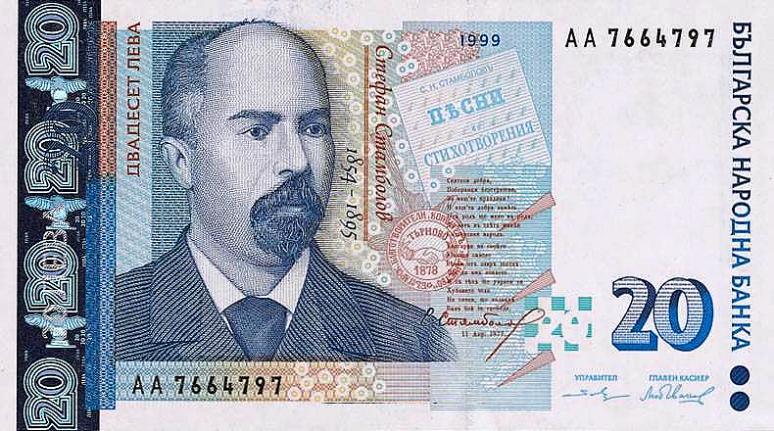
When you travel in Bulgaria, knowing the main currency units and their exchange rates will help you avoid misunderstandings when making payments. Today, the official currency of the country is Bulgarian lion (BGN). It is divided into 100 stotinki and in circulation you will find banknotes of different denominations: 1, 2, 5, 10, 20, 50 and 100 leva, as well as coins - 1, 2, 5, 10, 20 and 50 stotinki. The exchange rate of the lev against other major currencies, such as the US dollar and the euro, may vary, so it is recommended to check the current quotes regularly.
For your convenience, you may need a table with approximate exchange rates to help you navigate current trends. Please note that in most cases it is best to exchange currency at banks or specialized exchange points, avoiding street exchangers. Below is a table with some basic exchange rates:
| Currency | Course |
|---|---|
| 1 USD | 1.70 BGN |
| 1 EUR | 1.95 BGN |
| 1 GBP | 2.30 BGN |

Where to exchange money profitably: tips and tricks
When it comes to exchanging money in Bulgaria, it is important to know where and how to do the exchange to avoid unnecessary losses. Conventional banking institutions often charge high fees, so it is worth paying attention to exchangers. In large cities, such as Sofia or Varna, you can find many private exchangers that offer more favorable conditions.Nevertheless, do not forget to parlay Before exchanging. The best place for this may be websites with current exchange rates:
- Study the reviews about the various exchanges on travel forums.
- Check the courses online in advance to avoid high fees.
- Exchange at train stations and airports usually have the highest casualties.
In addition, an interesting option could be an exchange through a mobile applications or online serviceswhich offer competitive rates and minimal commissions. We advise you to pay attention to markets и P2P platforms for currency exchange. They may offer a brokerless exchange with more favorable terms. However, always keep an eye on safety transactions and select reliable counterparties.
| Exchange options | Advantages | Disadvantages |
|---|---|---|
| Banks | Reliability | High commissions |
| Private exchanges | Profitable courses | Different levels of reliability |
| Online services | Convenience and speed | Fraud risks |
Credit cards and mobile payments: convenience and security
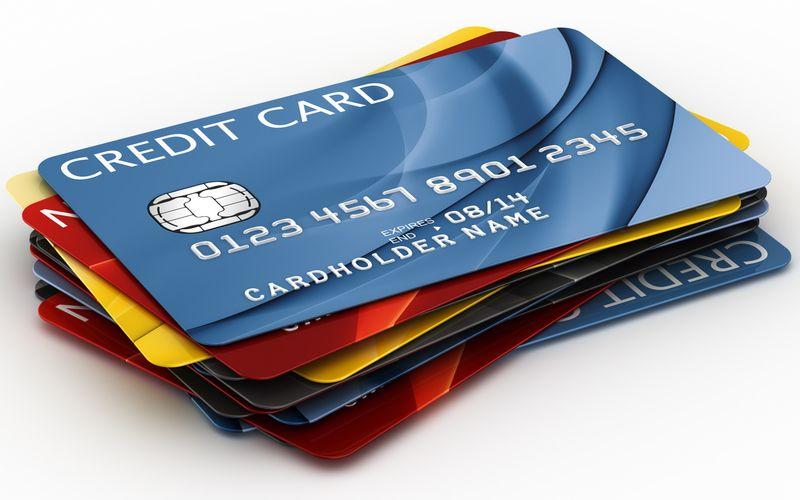
Credit cards and mobile payments have become an integral part of everyday life, especially when traveling. In Bulgaria, the ability to pay with a card in most stores, restaurants and hotels makes managing your finances much easier. You can choose between different types of cards, from traditional credit cards to prepaid cards. Don't forget to check if your cards support contactless payment technology, which will save you time and make shopping more convenient.
However, it is important to keep security in mind when using credit cards. It is recommended that you follow a few simple rules to protect your data:
- Use the PIN code: Always enter your personal identification number to confirm transactions.
- Check the terminals: Before use, make sure that the device has no external data readers.
- Keep an eye on your account: Check your account statements regularly for suspicious transactions.
Tipping and local economy: how not to lose face and money
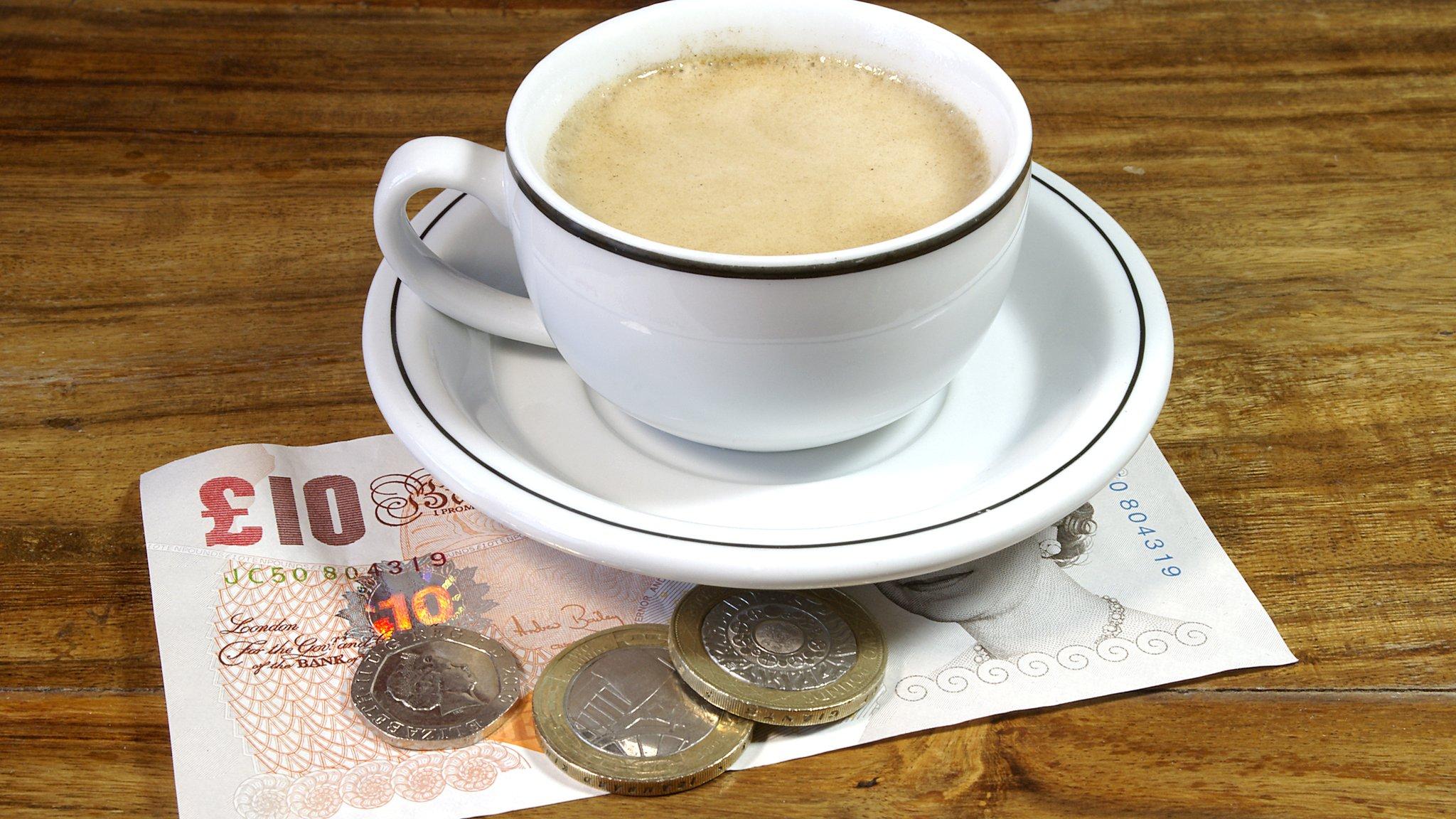
When it comes to tipping in Bulgaria, it is worth remembering that the amount often depends on the quality of service and your personal perception of the service. It is common practice to leave 10-15% of the restaurant bill. However, if you want to show your appreciation, feel free to tip a little more. In cafes and bars, tips are often rounded up to a whole number. Also, some establishments may already includeServicecontribution in the final bill, so check ahead of time to avoid embarrassment.
Locals often prefer to use cash for small purchases, so you can save money by doing without credito cards while in Bulgaria. Here are some tips on how to manage your money effectively:
- Organize your expenses: Keep records so you know how much you spend on food, transportation, and entertainment.
- Take advantage of local markets: This will not only save you money, but will also allow you to try authentic Bulgarian cuisine.
- Avoid tourist traps: Prices at popular tourist spots can be inflated, explore alternatives.
Frequent questions and answers
Currency Guide: What you need to know about money in Bulgaria
Question 1: What currency is used in Bulgaria?
Response: The official currency in Bulgaria is the Bulgarian lev (BGN). One lev is divided into 100 stotinki. The exchange rate can vary, so it is worth checking the current rates before traveling.
Question 2: Can I use euros in Bulgaria?
Response: Although the euro is not an official currency, in some tourist areas you may find places that accept euros. However, it is recommended to use levs for better shopping and to avoid additional fees.
Question 3: Where is the best place to exchange money?
Response: It is best to use banks or exchange offices to exchange currency, as they tend to offer better rates. Avoid exchanging money on the streets, as this can lead to fraud.
Question 4: What is the average price in Bulgaria?
Response: Prices in Bulgaria vary depending on the region. In general, you can dine in restaurants for 10-20 leva, and you will pay around 2-4 leva for a good cup of coffee. This makes Bulgaria very affordable for travelers.
Question 5: How much money should you take with you?
Response: The amount depends on your plans. For a comfortable stay, it is recommended to take about 50-100 leva per day for food and entertainment. Don't forget to consider additional expenses for souvenirs or excursions.
Question 6: What's the deal with the cards?
Response: Credit and debit cards are widely accepted in most stores, restaurants and hotels. However, in remote areas, it is recommended to have cash just in case.
Question 7: Are there any pay ATMs in Bulgaria?
Response: Yes, there are ATMs in Bulgaria that charge a fee for cash withdrawals, especially if you use a foreign card. Check the terms and conditions of your bank and find out in advance how much it will cost you.
Question 8: What tips can you give to avoid financial problems while traveling?
Response: Always check exchange rates before exchanging, avoid large cash transactions on the street and try to keep a budget to control your spending. And don't forget to keep your finances safe - keep your money and cards in a safe place.
Conclusion
Traveling in Bulgaria is not only about enjoying the beautiful scenery and cultural riches, but also about managing your money wisely. Our Currency Guide article has helped you understand the intricacies of financial transactions, local currency specifications, and the best ways to exchange money. Now, armed with this knowledge, you can not only reduce costs, but also enjoy all the diversity this amazing country has to offer. Remember that good preparation is the key to a successful and enjoyable trip. Have a nice vacation in Bulgaria and successful financial decisions!