
In Bulgaria, a country where Eastern European traditions are intertwined with modern European trends, the standard of living has become an increasingly important topic of discussion. With each passing year, Bulgarian society undergoes changes which have a significant impact on the quality of life of its citizens. But what factors determine this level? How do economic, social and cultural aspects add up to the big picture, and what are the future prospects for Bulgarian society? In this article, we will take a closer look at the key elements influencing the standard of living in Bulgaria, and assess possible ways to improve it and further progress in the context of globalization and economic integration.
Table of Contents
- Living standards in Bulgaria: economic factors and their impact on the well-being of the population
- Social aspects of life: education, health and culture in the Bulgarian context
- Development Prospects: Key sectors and their role in improving the quality of life
- Recommendations for improving living standards: strategies for investors and civil society
- Frequent questions and answers
- Conclusion
Living standards in Bulgaria: economic factors and their impact on the well-being of the population
Economic factors play a key role in determining the standard of living in Bulgaria. The main aspects affecting the well-being of the population include:
- Gross Domestic Product (GDP): The level of GDP per capita is directly correlated with the economic development of a country and, as a result, with the standard of living.
- Unemployment: Reducing unemployment increases the purchasing power of citizens and the stability of personal finances.
- Salaries: Rising average wages allow residents to improve their living conditions and meet basic needs.
- Investment and entrepreneurship: Attracting foreign investment and supporting local businesses creates new jobs and contributes to economic growth.
An equally important aspect is the inflation rate, which can significantly affect the financial well-being of citizens. A high inflation rate leads to a decrease in real incomes, which increases the financial burden on household budgets. The interaction of these factors creates a complex picture in which the difference in well-being between different regions of the country is noticeable. A simple table can be presented to illustrate this situation:
| Region | Average income, BGN. | Unemployment rate, % | Inflation, % |
|---|---|---|---|
| Sofia | 1800 | 3.5 | 2.2 |
| Plovdiv | 1500 | 5.0 | 2.5 |
| Varna | 1600 | 4.0 | 2.4 |
Social aspects of life: education, health and culture in the Bulgarian context
Education in Bulgaria continues to occupy an important place in the country's social system. The education system, from幼儿园 to higher education institutions, strives to combine traditional approaches with innovative teaching methods. However, there are challenges to overcome:
- Quality of Education: Despite the presence of highly ranked universities, the quality of teaching in some institutions leaves much to be desired.
- Accessibility: In remote areas, educational institutions may be under-resourced.
- Student Migration: many students choose to study abroad, which leads to brain drain.
Health care in Bulgaria also presents challenges that require attention. The health care system, based on compulsory health insurance, is in a difficult situation, which affects patients' access to quality health services. The main challenges cover:
- Lack of funding: Many health facilities are underfunded, which limits service capacity.
- Outdated infrastructure: modernization of many medical facilities requires significant investment.
- Staffing Shortage: medical professionals are increasingly seeking employment abroad.
| Area | Problems |
|---|---|
| Education | Quality, accessibility, migration |
| Health care | Obsolescence, funding, staffing shortages |
Bulgaria's cultural wealth, deep traditions and diversity of folk customs also play an important role in the social structure. The Ministry of Culture actively supports various projects that contribute to the preservation and development of cultural heritage. Nevertheless, along with supporting cultural initiatives it is important to realize:
- Lack of funding: many cultural projects face a lack of funds for implementation.
- Youth Interest: Increasing interest in contemporary content may threaten traditional art forms.
- Globalization: It is necessary to find a balance between preserving a unique culture and integration into the global environment.

Development prospects: key sectors and their role in improving the quality of life
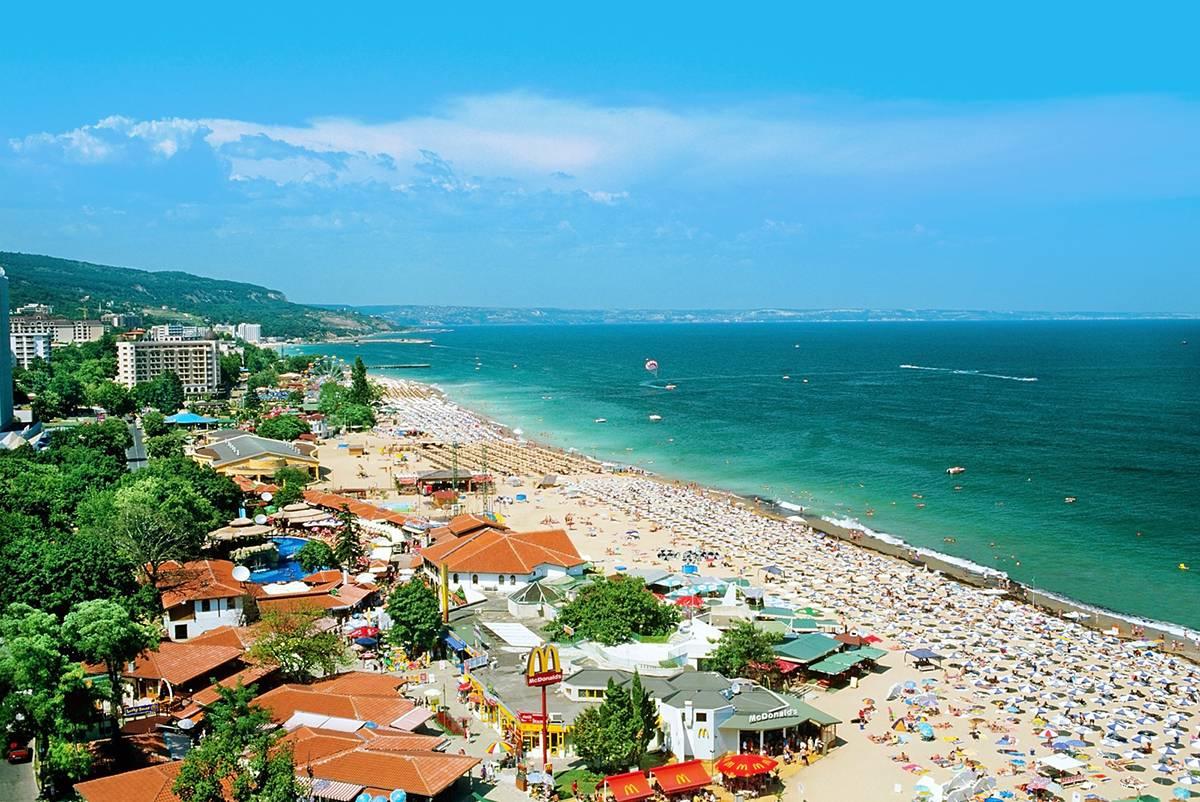
Bulgaria's future development is closely linked to several key sectors that can become catalysts for raising living standards. First and foremost, tourism plays an important role in the country's economy, attracting millions of tourists with its rich culture and natural beauty. The sustainable growth of this sector contributes to the creation of new jobs and increased income for the local population. The next important area is information technologywhich offers great opportunities for self-employment and start-ups. The steady demand for IT services not only increases economic stability, but also contributes to improving educational standards in the country.
It is also worth noting the importance of agricultural sector и renewable energy. Innovations in agriculture can increase productivity and improve product quality, providing fresh and environmentally friendly food for local communities. The development of renewable energy sources, such as solar and wind farms, not only supports environmental sustainability, but also opens new horizons for investment and technology. These sectors, synergistically interacting, create conditions for sustainable development, improving not only economic performance but also the quality of life of citizens.
Recommendations for improving living standards: strategies for investors and civil society
To improve the living standards of citizens in Bulgaria, comprehensive and diverse approaches involving both investors and members of civil society are needed. Among the most effective strategies are:
- Creating initiatives for sustainable development: Investments in clean technologies and sustainable agriculture will help improve the quality of life and support local communities.
- Expanding access to education: vocational training and retraining programs are key to improving employees' qualifications and their competitiveness in the labor market.
- Sustainable Urban Development: Improvement of urban infrastructure, creation of green areas and public spaces contributes to increasing the living comfort and health of citizens.
Cooperation between public authorities, the private sector and NGOs plays a huge role in these processes. To ensure effective collaboration, it is necessary to:
- Create partnerships between businesses and the local community: such collaborations can lead to the creation of social enterprises and a corporate social responsibility program.
- Involve citizens in the decision-making process: public discussions and consultations will allow the public's opinion to be taken into account when developing new initiatives.
- Project monitoring and evaluation: Regular reviews and reports will allow you to assess progress and adjust your strategy if necessary.
Frequent questions and answers
Q&A: Standard of living in Bulgaria - factors and development prospects
Question 1: What is the standard of living and how is it measured in Bulgaria?
Answer: The standard of living is a set of indicators that characterize the well-being of the population. In Bulgaria, it is measured through factors such as per capita income, access to health services, education, housing conditions and environmental quality. Social indicators such as unemployment and crime rates are also taken into account.
Question 2: What factors influence the standard of living in Bulgaria today?
Answer: The standard of living in Bulgaria is influenced by a variety of factors: economic development of the country, stability of the political situation, quality of public services, availability of education and medicine, as well as the situation on the labor market. Equally important are cultural peculiarities and traditions that shape the social consciousness and values of the population.
Question 3: What is the economic situation in Bulgaria in 2023?
Answer: Bulgaria is experiencing moderate economic growth in 2023. Strong emphasis is placed on the development of the high-tech sector, agricultural products and tourism. Nevertheless, the country faces challenges such as migration of young people in search of better opportunities abroad, which creates certain difficulties in the labor market.
Question 4: How does the Bulgarian government plan to improve living standards?
A: The Bulgarian government is developing a number of strategies to improve living standards, including investment in infrastructure, support for small and medium-sized businesses, improvement of the education system and access to quality health care. There are also plans to increase social payments and benefits for the most vulnerable groups.
Question 5: What are the prospects for the development of the standard of living in Bulgaria?
Answer: Prospects for the development of living standards in Bulgaria are generally optimistic. If the country manages to maintain economic growth, stimulate investment and work on improving the quality of life of its citizens, we can expect an improvement in the well-being of the population. However, for this to happen, existing problems, such as inequality and insufficient accessibility of services for different segments of society, need to be taken into account and addressed.
Question 6: What social changes are likely to affect living standards in the future?
Response: Social changes such as the sustainability of social programs, emigration of young people, changes in demographics and increasing interest in the environment and quality of life can have a significant impact on the standard of living in Bulgaria. Adaptation to the new realities and effective legislation will help the country to cope with the challenges and improve the lives of its citizens.
Question 7: What advice can be given to citizens to improve their standard of living?
Answer: Bulgarian citizens should strive to improve their qualifications in order to be competitive on the labor market. Studying, taking advanced training courses and learning foreign languages can significantly increase the chances of getting a good job. It is also important to be active in public life in order to influence decision-making and policy-making to improve living conditions.
Conclusion
The standard of living in Bulgaria is a multifaceted aspect that encompasses not only economic, but also social, cultural and environmental factors. Analyzing the current achievements and prospects, we see that the country is at a crossroads, where opportunities for development are intertwined with the challenges facing society. Attracting investment, developing infrastructure and improving the quality of education can be catalysts for further improvements in living standards. It is important to remember that Bulgaria's future depends on us - on our desire for change and our willingness to overcome obstacles. With every step taken towards progress, Bulgaria has every chance for a bright future, where the standard of living will become a symbol not only of material well-being, but also of harmonious existence in a united society.