
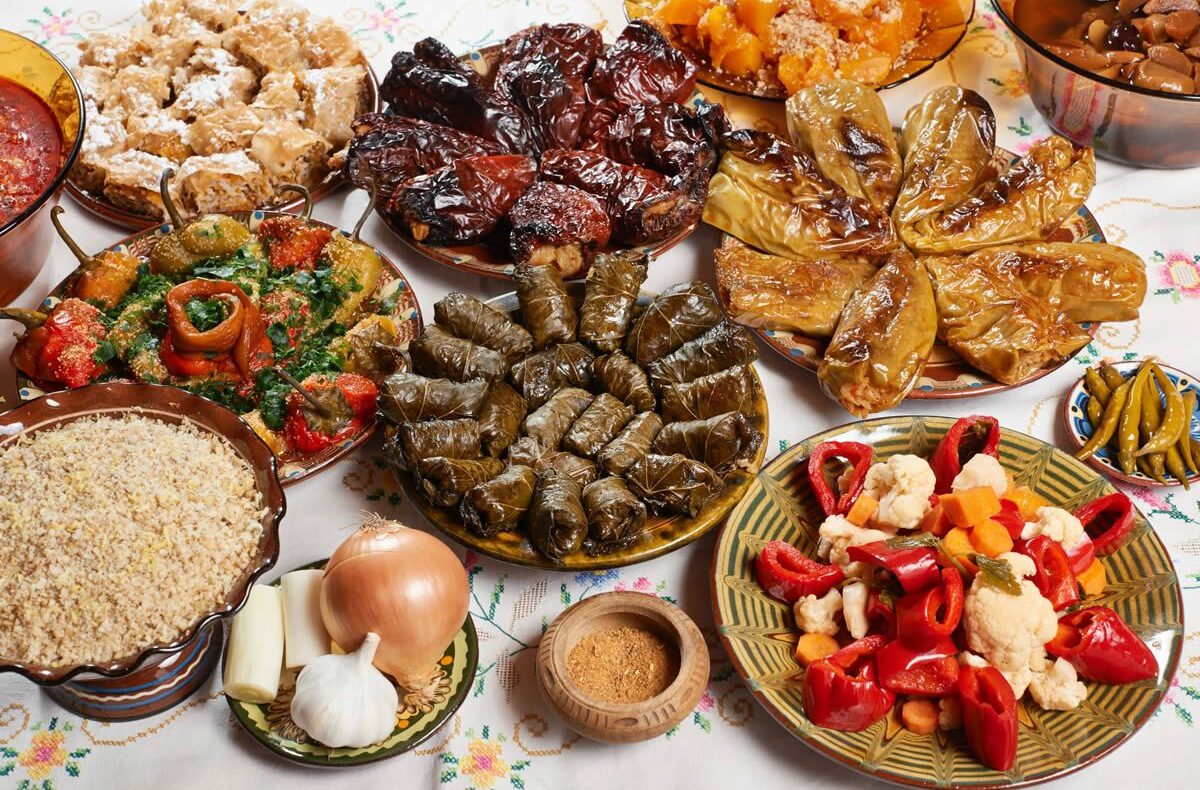
When we talk about Bulgaria, our imagination conjures up vivid landscapes of mountains, the soft lines of the Black Sea coast and the smallest details of medieval temples. But one of the country's most colorful treasures lies not in its landscapes and architecture, but in its culinary traditions. Bulgarian cuisine is an amazing combination of flavors, aromas and stories passed down from generation to generation. Here, each plate is not just a dish, but an entire culture and lifestyle, a reflection of the people's identity. From appetizing appetizers to hearty meals and sweet desserts, Bulgarian cuisine is surprisingly diverse and generous. It has absorbed the influence of neighboring countries and preserved unique recipes that make it truly original. In this article, we dive into the world of Bulgarian gastronomy, exploring its main dishes, characteristic ingredients and traditions that make every meal especially meaningful. Join us on this delicious journey to uncover the secrets of Bulgarian cooking and be inspired by its unique flavors.

#image_title
Secrets of Bulgarian spices: how they shape the flavor of the national cuisine
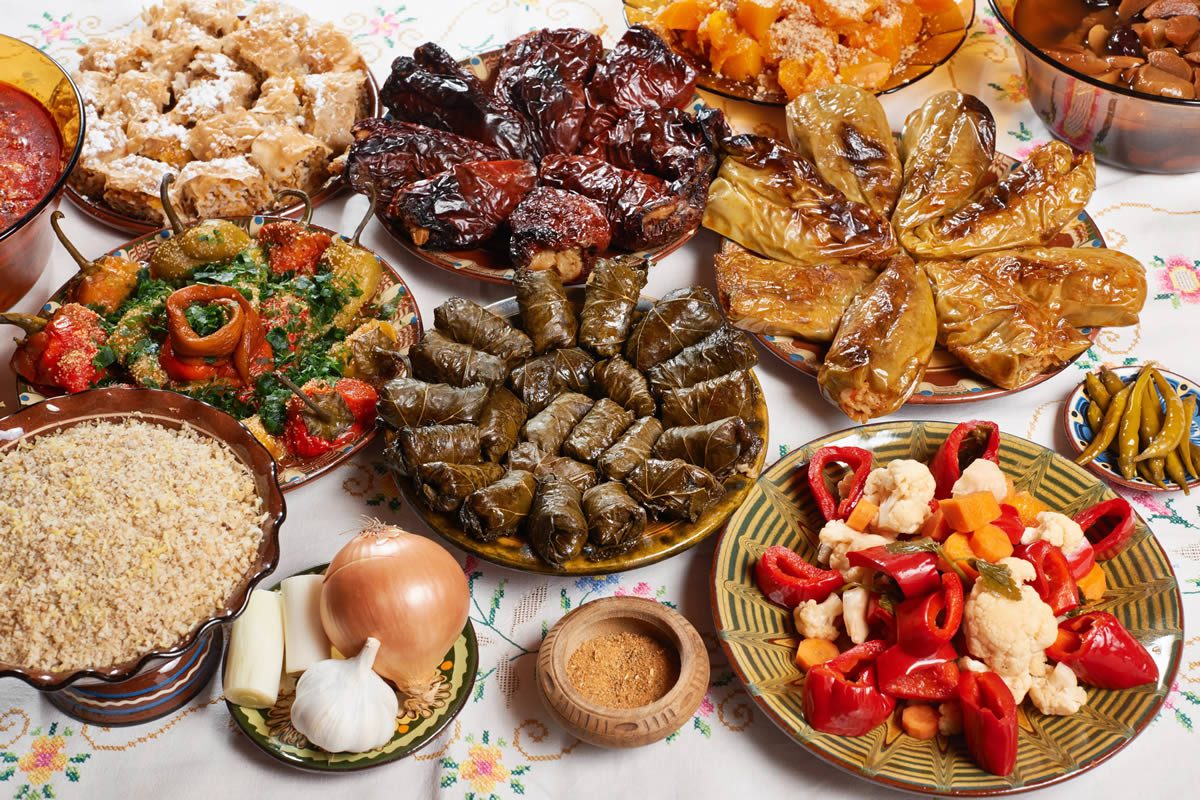
Bulgaria is famous not only for its picturesque landscapes, but also for its unique culinary traditions. Spices in this country play a key role in forming the characteristic flavor of most dishes. For example. red pepper is a staple ingredient in such traditional dishes as buttercup и sharapska kapama. Its rich and bright flavor infuses food with warmth and aroma, creating an unmistakable sense of home. Other popular spices such as succession и dried garlicThey also contribute their lepto, giving dishes a special note and richness of flavor.
In addition to red peppers, in Bulgarian cuisine you can often find such flavorful additives as basil, oregano и thyme. These herbs not only enrich the taste, but also emphasize the naturalness of the ingredients. An interesting detail is that along with spices, natural vinegars and oils are used in traditional recipes, making the dishes lighter and fresh. For clarity, let's look at a table that presents the main spices and their characteristic features:
| Spice | Flavor | Application |
|---|---|---|
| Red pepper | Spicy, sweet | Meat dishes, sauces |
| Basil | Fresh, spicy | Salads, marinades |
| Garlic | Pungent, savory. | Vegetable dishes, meat |
Regional peculiarities: culinary traditions of different corners of Bulgaria
Bulgarian cuisine is characterized by diversity and richness of flavors, which reflects the unique culinary traditions of different regions of the country. For example, in the north, in the Dobrudja region, popular dishes include flour productssuch as cabbage and cheese pies. Corn dishes are also common in this region. In the south, in the Rhodope Mountains, guests can enjoy bean soup with meat and aromatic spices. The locals like to add spicy herbs such as chubrika and rosemary to their dishes to spice them up.
Among the dishes characteristic of the different areas are:
- Chop salad - fresh salad with tomatoes, cucumbers and cheese, traditional throughout Bulgaria but especially popular in Sofia.
- Kawarma - A meat dish that is especially favored in Plovdiv, flavored with hot peppers and onions.
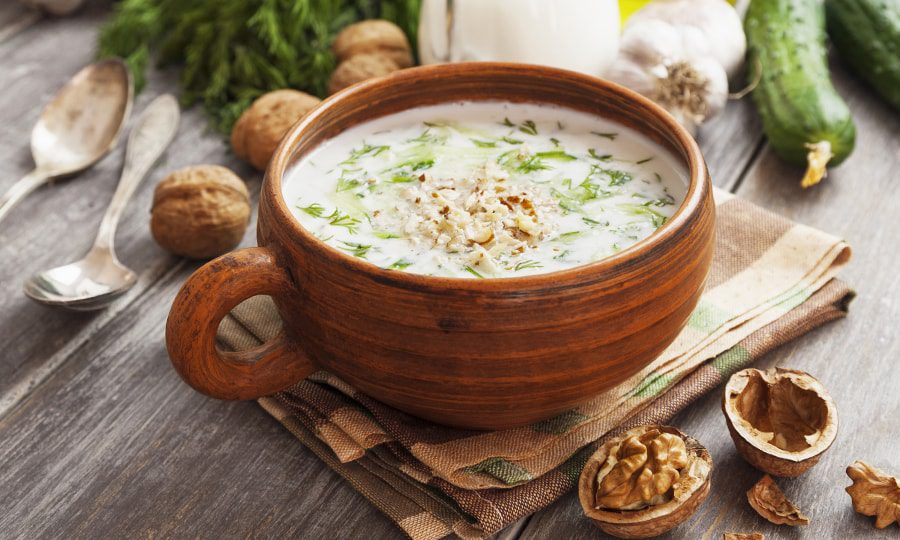
- Tarator - A cold yogurt soup popular in summer, especially in Black Sea resorts.
| Region | Popular dishes |
|---|---|
| Dobrudja | Pies, corn dishes |
| Rhodopes | Bean soup, spicy meat dishes |
| Sofia | Chop salad |
| Plovdiv | Kawarma |
| Black Sea coastline | Tarator |
Combining the past and the present: traditional dishes in a modern setting
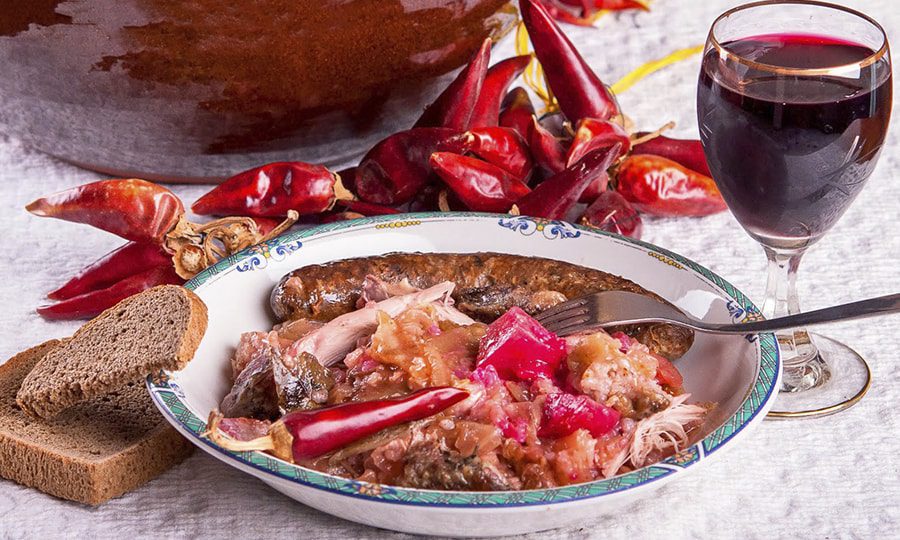
Bulgarian cuisine is famous for its historical heritage, which is closely intertwined with modern trends. Inspiration from traditional recipes makes chefs experiment, adapting ancient dishes to the requirements of the modern gourmet. For example, the classic dolma grape leaves take on a new meaning when filled not only with meat, but also with a variety of vegetables and spices, which gives the dish freshness and originality. Many chefs have started using local seasonal ingredients, which not only supports local producers but also makes the dishes more relevant.
It is also interesting to observe the change in the way traditional dishes are served. The rejection of banal plates and the use of stylish ceramic dishes or wooden plates gives an aesthetic look which harmonizes with the spirit of tradition. Examples of modern interpretations of traditional Bulgarian dishes:
| Dish | Modern interpretation |
|---|---|
| Kawarma | Served in a clay pot with vegetables with white wine sauce |
| Tarator | Refreshing gazpacho with walnuts and mint. |
| Banitsa | Puff pastry with a variety of toppings from classic cheese to seafood |
Tasting tips: How to enjoy Bulgarian specialties in the best restaurants
To truly enjoy Bulgarian specialties, it is important to choose an establishment that serves traditional dishes. Good restaurants emphasize the freshest local ingredients and preparation according to ancient recipes. Among the specialty establishments where you can taste characteristic Bulgarian dishes, it is recommended to pay attention to:
- Family restaurants - here they often cook according to grandmother's recipes and offer an authentic atmosphere.
- Local markets - A great place to sample cheese, sausage and other specialty products made in the region.
- Themed cafes - Such establishments can offer unique pairings of traditional dishes and local wines.
When visiting a restaurant, don't forget about tasting specialties. To maximize your enjoyment, it's worth paying attention to proper delivery и flavor combination. Try following these guidelines:
| Recommendation | Description |
|---|---|
| Start with appetizers | Try traditional tea appetizers such as sujuk or loukanka. |
| Take part in the tasting | Choose a few dishes to share with friends or family. |
| Pair it with wine | Pay attention to the local wines, which complement the dishes wonderfully. |
Conclusion
At the end of our gastronomic journey in Bulgaria, we discovered not only the tastes and flavors of this amazing country, but also its rich culinary traditions, steeped in history and cultural heritage. Bulgarian cuisine is a unique combination of fresh produce, a hearty approach to cooking and centuries-old recipes that have been handed down from generation to generation. Each dish tells its own story, and each meal becomes a true feast for the soul. Now that you have familiarized yourself with the basic aspects of Bulgarian gastronomy, you may want to try cooking some of these wonderful dishes yourself or travel to Bulgaria to enjoy the real culinary masterpieces. Immersing yourself in the world of Bulgarian cuisine is not only an opportunity to delight yourself and your loved ones, but also a unique way to learn more about the culture and traditions of a people who lovingly preserve their heritage. May your culinary journey be filled with new discoveries and rich flavors!