
Climate change has become an increasingly hot topic in recent years, and Bulgaria is no exception. In this beautiful country, where sunny beaches alternate with majestic mountains, weather plays an important role in the lives of locals and tourists. Knowing the nuances of climatic changes in Bulgaria will not only help you better understand the local nature, but also help you plan the perfect vacation. In this article, we will delve into the diversity of Bulgaria's climate, its peculiarities and the impact of global changes, and try to answer questions that concern locals and visitors alike. How does the weather change in different regions of Bulgaria? How do these changes affect the ecosystem and the economy? Let's get to the bottom of this complicated but interesting question together.
Table of Contents
- Bulgaria's Climate: Seasonal Features and Their Impact on Traveling
- Weather Changes: How climate fluctuations are affecting the nation's nature
- Preparing for Travel: Advice on choosing the time of year to visit
- Sustainable Tourism Development: How to Adapt to Climate Change in Bulgaria
- Frequent questions and answers
- Conclusion
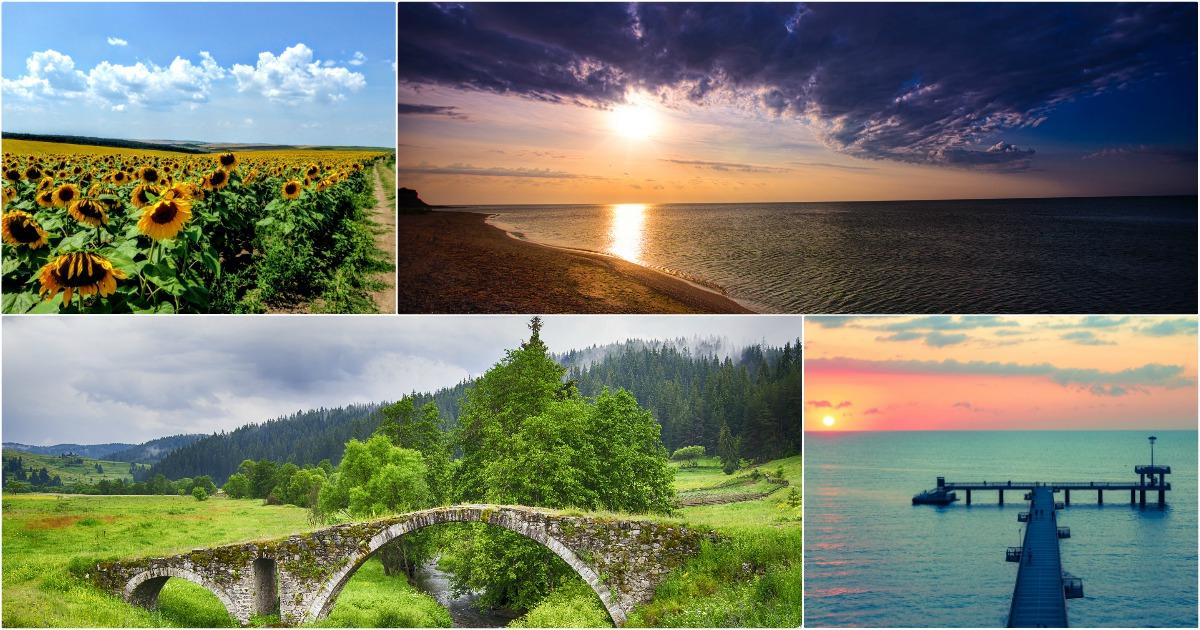
Bulgaria's Climate: Seasonal Features and Their Impact on Traveling
Bulgaria is famous for its varied climate, which ranges from continental in the north to Mediterranean in the south. The weather can vary considerably from season to season, which should be taken into account when planning a trip. Spring brings with it warm sunny days, but evenings can be cool. This is the time of blossom, when flowers and trees turn green, ideal for hiking and cultural activities. Summer, on the other hand, offers hot days, ideal for beach vacations and water sports. However, keep in mind that during the most popular months of July and August, prices for accommodation and excursions can increase significantly.
Autumn in Bulgaria surprises with gorgeous colors and cooler temperatures, making it a great time for wine tours and gastronomic festivals. At this time, wine is harvested and local events celebrating the harvest attract many tourists. Winter offers many opportunities for winter sports enthusiasts, especially in ski resorts such as Borovets and Pamporovo, where you can enjoy the snow and the atmosphere of winter magic. In addition, the low temperatures allow you to enjoy the peace and tranquility of the mountain scenery, making this season ideal for solitary travelers.
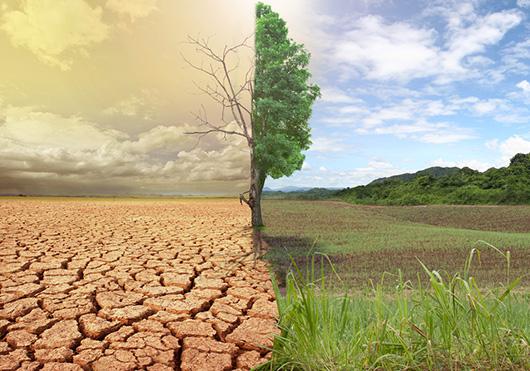
Weather changes: How climate variability is affecting the country's natural environment
Every year, climate fluctuations are becoming more and more noticeable and the impact of these changes on Bulgaria's nature is becoming more visible. Local ecosystems are experiencing changes in temperature, precipitation и wind currentsThis in turn affects biodiversity and natural resource conditions. For example, agricultural sectors are facing new challenges: changing planting and harvesting seasons, as well as an increase in pests and diseases that damage cultivated plants.
In addition, climate change is having a major impact on the country's water resources. Local rivers, lakes and groundwater may experience fluctuations in levels and quality due to changes in precipitation patterns. This impacts on the fishery и tourismIn addition, it contributes to various environmental disasters: floods and droughts. For a better understanding of the situation, we present a table of climate change impacts on different aspects of nature and economy in Bulgaria:
| Aspect | Influence |
|---|---|
| Agriculture | Shift in planting dates and increased pest losses |
| Water resources | Changes in river level and water quality |
| Ecosystems | Reduction of biodiversity and extinction of some species |
| Tourism | Loss of attractiveness of natural areas |
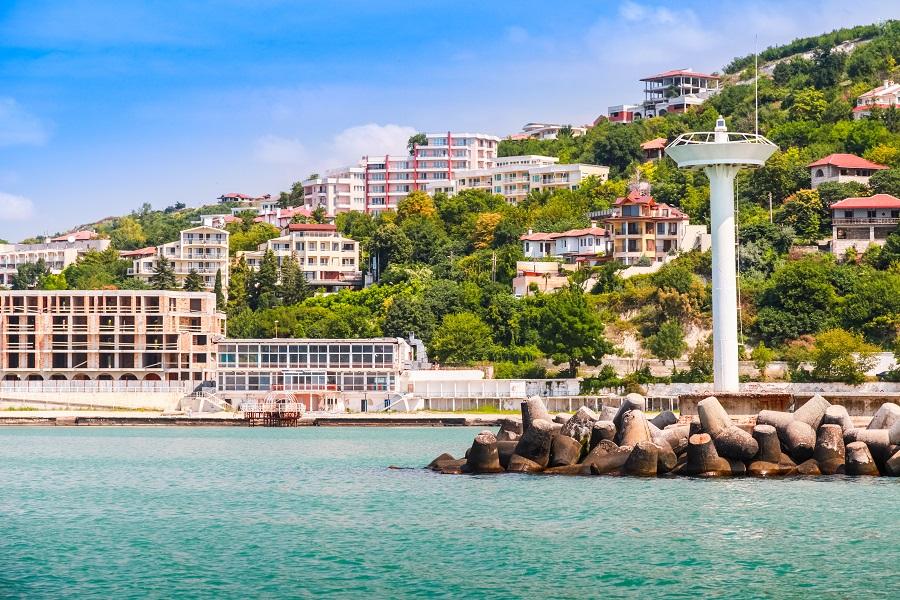
Preparing for travel: Advice on choosing the time of year to visit
When planning a visit to Bulgaria, you should consider not only personal preferences, but also climatic features. If you like warmth and beach vacations, the best time to go is summer. On average, temperatures can reach 30°C However, it is worth bearing in mind that this time of year sees large numbers of tourists, which can affect the prices and availability of accommodation. If you prefer quieter and less crowded places, consider spring (April-May) or fall (September-October), when the weather is still comfortable and the crowds are noticeably smaller.
Winter in Bulgaria attracts skiing enthusiasts. Ski resorts such as Bansko or Pamporovo offer excellent skiing conditions as well as the opportunity to enjoy beautiful winter scenery. Average temperature in winter fluctuates around 5°Cwhich makes the winter months ideal for outdoor activities and exploring the local culture, such as traditional winter festivals. The choice of time of year to visit Bulgaria depends on whether you are looking for a relaxing vacation on the beach, active winter sports or gastronomic and cultural discoveries.
| Season | Temperature (°C) | Recommendations |
|---|---|---|
| Spring | 15-25 | Ideal for walking and sightseeing |
| Summer | 20-30 | Beach vacations and night entertainment |
| Autumn | 10-20 | Calm hiking and cultural activities |
| Winter | -5-10 | Skiing and winter holidays |
Sustainable tourism development: How to adapt to climate change in Bulgaria
With climate change in Bulgaria comes the need to reconsider approaches to tourism. Natural disasters such as floods and droughts jeopardize not only the ecosystem, but also the stability of the tourism industry. In order to achieve sustainable development, it is important to consider the following factors:
- Infrastructure Adaptation: Reconstruction and modernization of hotels, restaurants and transportation system for new climatic conditions.
- Staff Training: Educate workers in the field of ecology and sustainable tourism to raise awareness and responsibility.
- Tourist Routes: Development of adapted itineraries for travel to regions less prone to climate change.
Climate adaptation requires a partnership between public authorities and the private sector. It is clear that only joint efforts can lead to positive transformations that will ensure long-term development. The following initiatives can be introduced for this purpose:
- Ecotourism: Focusing on conservation of nature and cultural heritage, attracting tourists through eco-friendly methods.
- Innovative Technology: Use of renewable energy in hospitality and transportation services.
- Tourist Feedback: Collect opinions and recommendations from travelers to improve services and increase sustainability.
Frequent questions and answers
Questions and answers about "Weather in Bulgaria: All the nuances of climate change"
Question 1: What is the general climate of Bulgaria and how does it vary in different regions of the country?
Answer: Bulgaria has a varied climate, which depends on the geographical position and topography of the country. On the Black Sea coast, the climate is temperate continental, with hot summers and mild winters. Inland areas, such as Stara Planina and Rila, are characterized by sharper temperature fluctuations and snow in winter. In the south, around Plovdiv and Sandanski, the climate becomes more Mediterranean, with long warming summers and mild winters.
Question 2: How has climate change affected the weather in Bulgaria in recent decades?
Answer: In recent decades Bulgaria, like many other countries, has faced the effects of climate change. We have seen an increase in temperature, changes in precipitation patterns and an increase in the frequency of extreme weather events such as droughts and heavy rains. For example, the country experienced abnormally high temperatures in the summer of 2020, and 2021 was marked by severe flooding in some areas.
Question 3: How does climate change affect agriculture in Bulgaria?
Answer: Agriculture in Bulgaria is highly dependent on climatic conditions. Climate change can lead to lower yields of key crops such as wheat and maize due to droughts or, conversely, excessive rainfall. Farmers are beginning to use new technologies and agricultural practices to adapt to the new conditions, including drip irrigation and the breeding of more resistant varieties of plants.
Question 4: What measures is Bulgaria taking to combat climate change?
Response: Bulgaria is undertaking a number of measures to mitigate climate change. As part of its national climate change adaptation strategy, the country is working to improve infrastructure, increase energy efficiency and introduce renewable energy technologies. Work is also being done to raise public awareness of the importance of environmental protection.
Question 5: What can locals and tourists do to reduce their impact on the climate in Bulgaria?
A: Local residents and tourists can contribute to climate protection by using public transportation, choosing environmentally friendly modes of transportation such as bicycling or walking, and reducing water and energy consumption. Supporting local environmental initiatives and participating in cleanups will also help protect Bulgaria's natural environment from negative impacts.
Question 6: How do you keep track of weather and climate changes in Bulgaria?
A: Information about the current weather in Bulgaria can be obtained through various meteorological websites and applications, such as the National Institute of Meteorology and Hydrology. And for a deeper understanding of climate change, it is worthwhile to consult the resources of scientific institutions and environmental organizations that publish studies and forecasts on climate change in the country.
Conclusion
Climate change in Bulgaria is a complex and multifaceted process that affects not only nature, but also the daily life of residents and tourists. Despite the challenges this beautiful country faces, it continues to be a unique place where climatic features have created a rich diversity of ecosystems and cultural traditions. Understanding these nuances will allow us to better adapt and appreciate every moment spent in Bulgaria, whether it is a sweltering summer or a snowy winter. Exploring the climate of this country, we discover not only amazing natural landscapes, but also the opportunity to preserve its natural heritage for future generations. Take care of nature and it will return the favor!