
Bulgaria's climate is a multifaceted and diverse phenomenon that shapes not only the country's natural landscapes, but also the daily lives of its inhabitants. Bulgaria's geographical position at the crossroads of Central and Eastern Europe, as well as the influence of the Black Sea and the Balkan Mountains create unique climatic conditions characterized by continental, Mediterranean and mountainous features. These climate features have a significant impact on various aspects of life, from agriculture and tourism to energy policy and health care. In this article, we will take a closer look at Bulgaria's climatic characteristics, its seasonal changes and influences on the life of the country, which will provide a deeper understanding of how nature and climate shape the culture and everyday life of the Bulgarian people.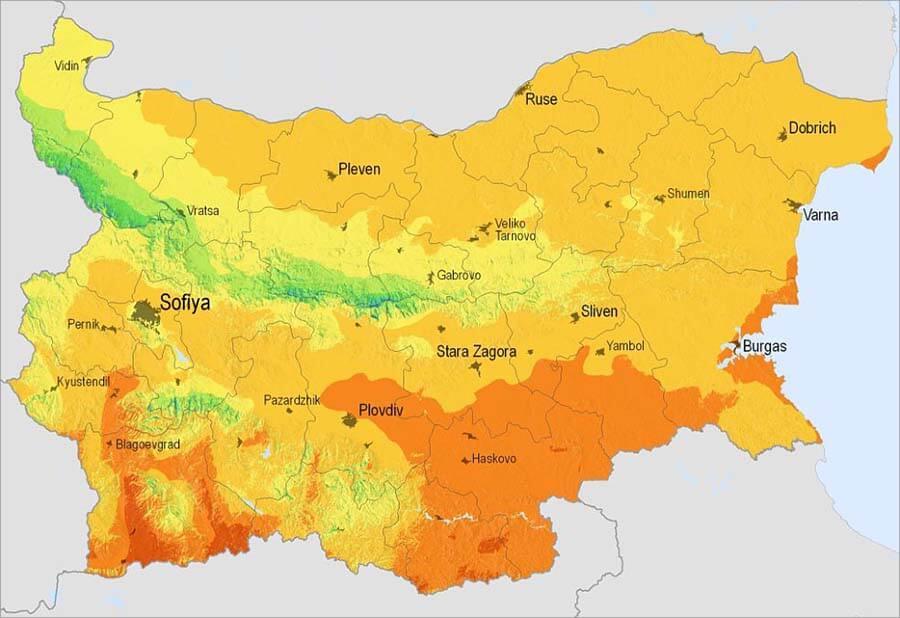
Climatic zones of Bulgaria and their characteristics
Bulgaria is characterized by diverse climatic zones, which significantly affects the ecosystem and lifestyle of the population. The country can be conditionally divided into three main climatic zones:
- Continental climate: Predominates in the northern and central regions. Here winters are cold and snowy and summers are hot and dry.
- Mediterranean climate: Main in the southern part of the country, especially on the Black Sea coast. Characterized by hot and dry summers and mild and rainy winters.
- Mountain climate: Occurs in high areas, including the Rila and Pirin Mountains, where temperatures are much lower and precipitation is predominantly snow in winter.
Each of these climatic zones creates unique natural conditions for the development of a variety of crops. For example, cultivation of cereals such as wheat and barley is common in the continental regions, while the Black Sea coast is actively cultivated:
| Culture | Region |
|---|---|
| Grapes | South of the country |
| Olives | Mediterranean coast |
| Citrus fruits | Southern regions |
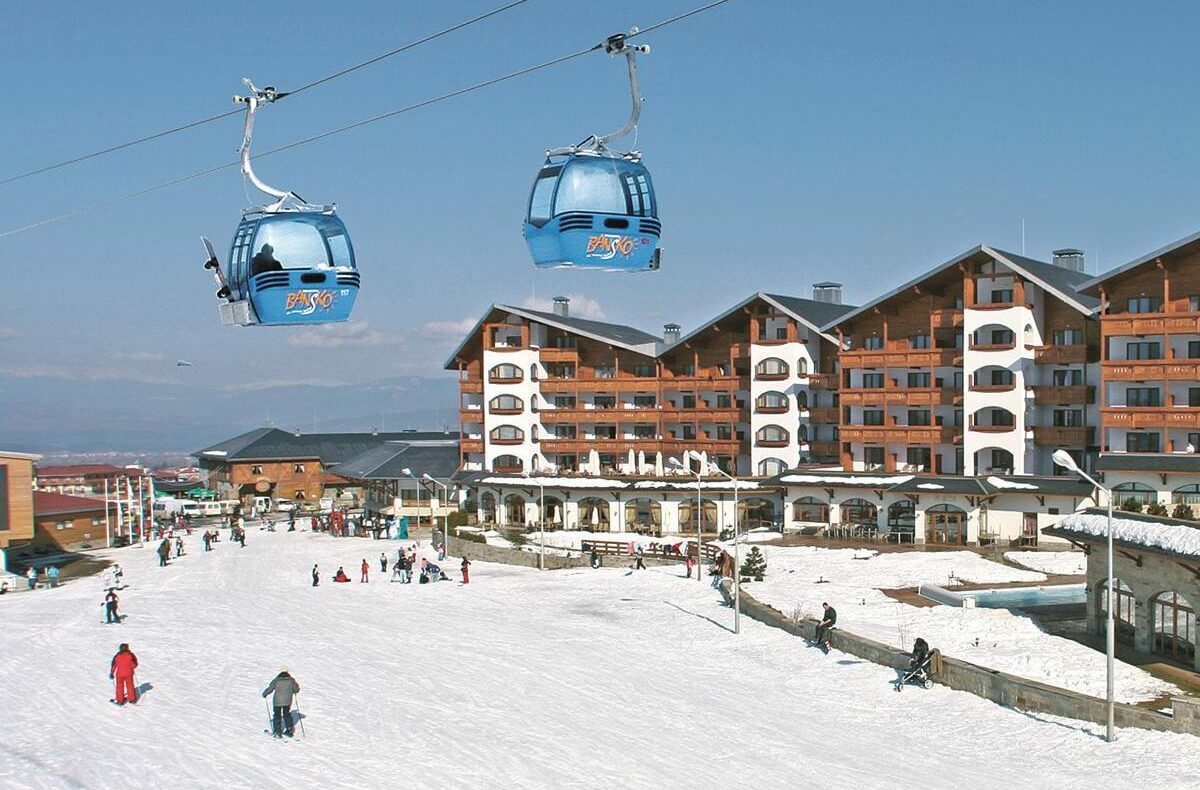
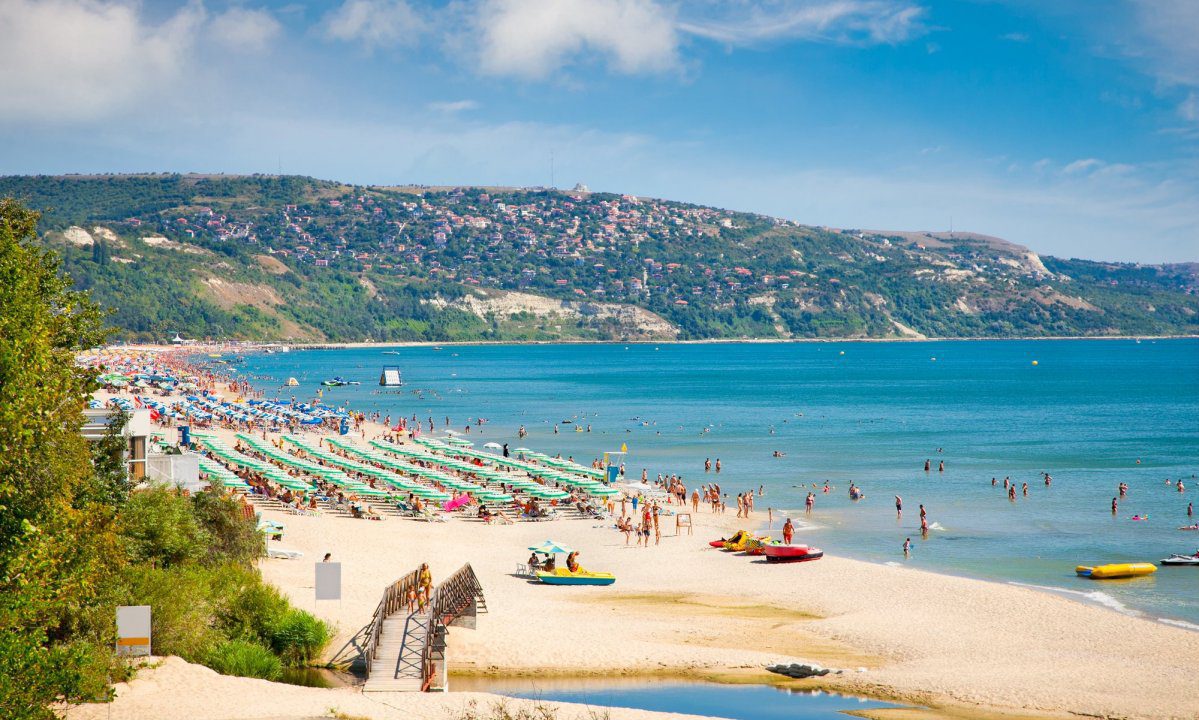
Climatic conditions also determine the region's tourist appeal. Winter resorts attract skiing enthusiasts, while summer beaches are a magnet for those looking for sea and sun. Thus, Bulgaria's climate plays a key role in shaping its economic and social characteristics.
Seasonal weather changes and their impact on agriculture
Seasonal weather changes in Bulgaria have a significant impact on various aspects of agriculture. The country has four distinct seasons, each characterized by a different set of climatic conditions. These conditions can both promote and inhibit crop growth and development. For example, warm and sunny summer creates favorable growing conditions for fruits and vegetables such as tomatoes and peaches, but too high a temperature can contribute to drought and reduced yields. Autumn rains are also needed to prepare the soil and increase moisture reserves before winter, especially for winter crops.
In addition, the impact of winter frosts and spring frosts on the agricultural sector is an important factor. Unpredictable frosts can damage young shoots, negatively affecting future crops. To manage such risks, farmers employ a variety of strategies including:
- Selection of resistant varieties - selecting plants that can withstand low temperatures.
- Agrocultures - using shelters or mulches to protect plants from cold.
- Weather forecasting - actively follow meteorological changes to reduce risks.

Climatic conditions as a factor of tourism in Bulgaria
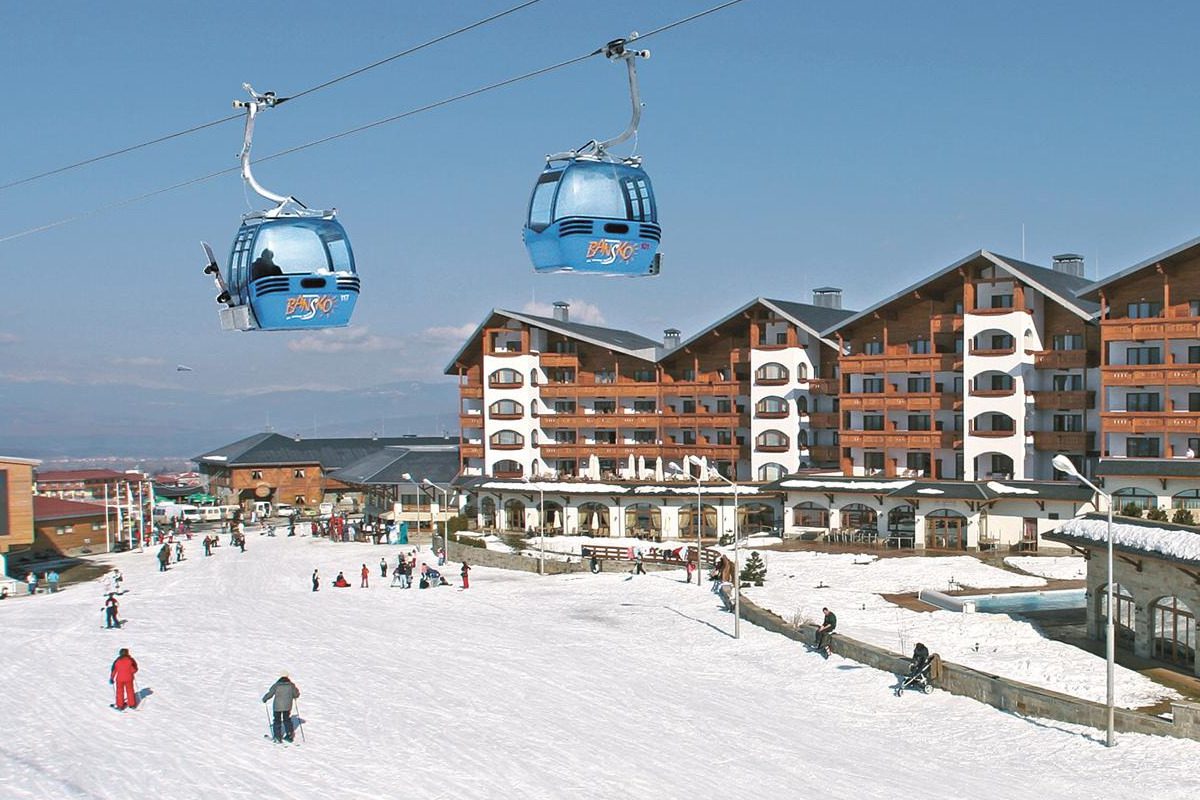
Bulgaria's climatic conditions are one of the main factors determining the country's attractiveness for tourists. With a temperate continental climate and a variety of geographical landscapes, Bulgaria offers a wide range of weather conditions that can satisfy different preferences of travelers. Summers are hot and sunny, especially on the Black Sea coast, making resorts such as the Sunny Beach и Golden Sandsare popular vacation destinations. In winter, ski resorts such as Bansko и Pamporovo winter sports enthusiasts are attracted by its snowy slopes and comfortable weather conditions.
Mild springs and warm autumns create ideal conditions for winemaking and agritourism, encouraging the growth of local initiatives. Many tour operators offer trips to wineries in regions such as Trakya и DobrudjaIn addition, the Mediterranean influences of the coastline encourage the cultivation of olives, citrus fruits and many other crops, which in turn attracts the hawker industry. In addition to this, the Mediterranean influences of the coastline encourage the cultivation of olives, citrus fruits and many other crops, which in turn attracts gastronomic tourists.
| Season | Temperature (°C) | Type of tourism |
|---|---|---|
| Spring | 10-20 | Rustic, vinous |
| Summer | 20-30 | Beach, resort |
| Autumn | 10-20 | Gastronomic, cultural |
| Winter | -5-10 | Skiing, active |
Environmental challenges and strategies for adaptation to climate change
Climate change poses a serious threat to Bulgaria's ecosystems and its population. Changes in temperature and precipitation levels are already affecting agriculture, water resources and biodiversity. It is therefore necessary to develop adaptation strategies that will ensure resilience to change. Key challenges include:
- Loss of biodiversity: Climate change is altering the habitats of animals and plants, threatening their existence.
- Water scarcity: Increasing temperatures and decreasing precipitation can lead to freshwater shortages.
- Agricultural Risks: Changes in climate can affect crop yields and sustainability.
To overcome these challenges, Bulgaria is taking various adaptation measures. For example, the introduction of sustainable agricultural practices and the conservation of natural resources are important steps towards improving the situation. Alternative energy sources are also being considered to help reduce the carbon footprint. To implement these strategies, it is necessary to actively involve local communities and utilize their knowledge of traditional practices. In this context, it is useful to monitor climate change in order to adjust adaptation plans.
| Challenge | Adaptation strategy |
|---|---|
| Loss of biodiversity | Establishment of reserves and protected areas |
| Water deficit | Water resources saving and irrigation system development |
| Agricultural risks | Use of sustainable plant varieties and technologies |
Conclusion
Bulgaria's climate is a combination of various factors that significantly influence the life and economic development of the country. The diversity of climatic zones, from continental to Mediterranean, creates unique conditions for agriculture, tourism and other industries. Awareness of Bulgaria's climatic peculiarities is necessary not only for the adaptation of the population, but also for the realization of sustainable climate solutions that contribute to the conservation of natural resources. In the future, taking into account global climate change, it is important to continue to research and consider the impact of climate on all aspects of life in the country in order to ensure its well-being and development.