
The flag of a country is not just a piece of cloth flying in the wind. It embodies the centuries-old history, ideas and dreams of the people. The flag of Bulgaria, with its simple yet expressive colors of white, green and red, speaks of the deep heritage and meaning imbued in the history of this Balkanskogo naroda. In this article, we will delve into the history of the Bulgarian flag, exploring each of its colors and uncovering the meanings they represent. We will discover the traditions associated with this symbol and see how the flag connects past and present, reflecting the pride of the Bulgarian people.
Table of Contents
- Historical roots of the Bulgarian flag: from ancient traditions to the present day
- Symbolism of colors: interpretation of white, green and red in culture
- The role of the flag in national identity and social movements
- Recommendations for learning and respectful treatment of national symbols
- Frequent questions and answers
- Conclusion
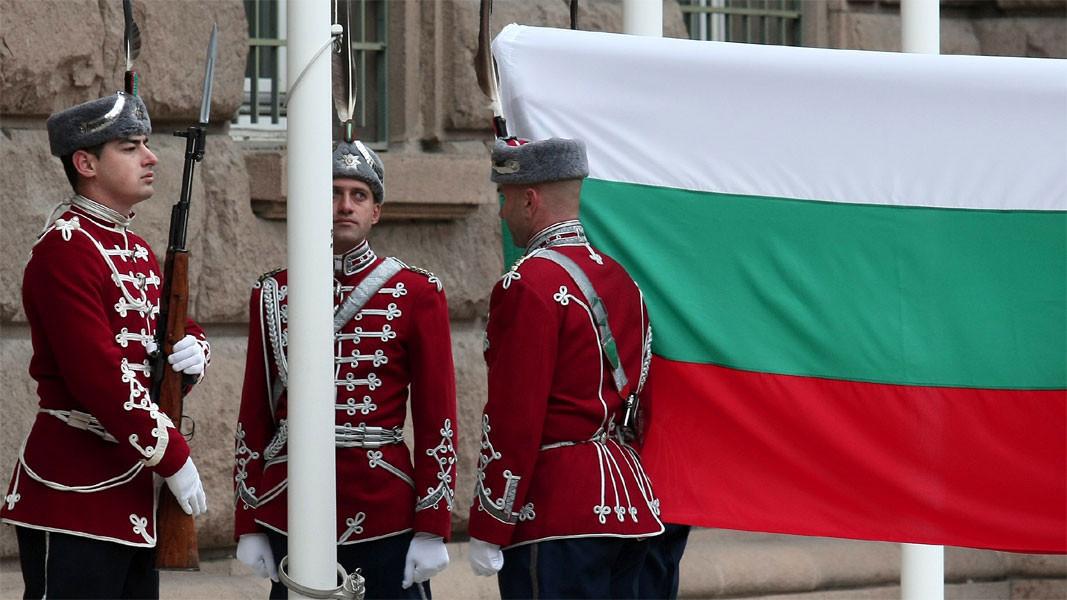
Historical Roots of Bulgaria's Flag: From Ancient Traditions to Modernity
Bulgaria's flag, consisting of three equal horizontal stripes, symbolizes not only the country's history but also its rich cultural tradition. Each of its colors - white, green and red - has its own meaning, stemming from ancient times. For example. white color represents peace and freedom. green symbolizes fertility and hope, and. red expresses the readiness of the people to defend their independence and honor. These colors have been rooted in the Bulgarian folk consciousness since the time when the territory of modern Bulgaria was inhabited by Slavic tribes and Thracians, who used different symbols and shades to represent their identity and development.
Over the centuries, the country's flag has evolved and adapted under the influence of various historical events. Uprisings and wars against foreign rule, the national awakening in the 19th century and independence in 1908 have left their mark on the flag's symbolism. The main milestones of its history include:
- Introduction of the first flags in the ninth century
- The use of the tricolor after the Aprile Rebellion in 1876
- Establishment of the modern version in 1990
This direct connection to national consciousness and history makes the flag of Bulgaria an important symbol reflecting the complex and multi-layered heritage of the nation.
Symbolism of colors: interpretation of white, green and red in culture
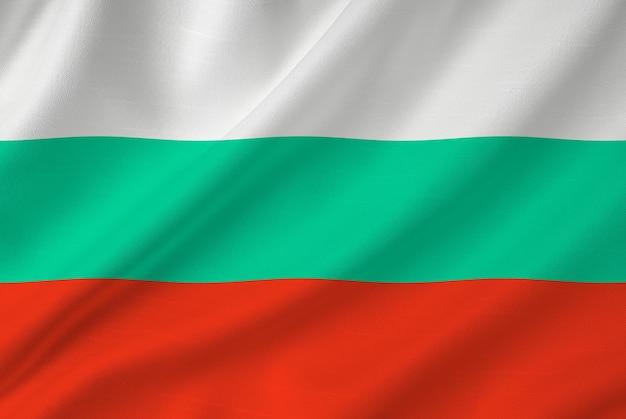
The colors on the Bulgarian flag carry deep symbolism, which reflects the historical and cultural traditions of the country. White The color represents peace and independence, being a symbol of purity and sincerity. It is a reminder of the Bulgarian people's desire for freedom and unity, which has become the basis of national identity. Green the color in this triad symbolizes the country's nature and wealth, representing its abundant forests, fields and living rivers. This color is also associated with hope for the future and prosperity, supporting the idea that the country lives in harmony with the environment.
On the contrary, red the color of the flag stands for the sacrifice, strength and courage of the Bulgarian people. It recalls the long struggle for independence and serves as a reminder that freedom is valued not only in word, but also in deed. In the context of interpreting the colors, their combination creates a powerful triad, reflecting the spirit of a people willing to preserve their culture and traditions despite historical difficulties. These three colors on the flag of Bulgaria represent not only national ideals, but also a emotional connection to nature and history, permeating all aspects of life. For a deeper understanding, the following table can be considered:
| Color | Symbolism |
|---|---|
| White | Peace, independence, purity |
| Green | Nature, hope, prosperity |
| Red | Strength, courage, sacrifice |
The role of the flag in national identity and social movements
The Bulgarian flag, consisting of three horizontal stripes - white, green and red, is not just a national symbol, but also an important element in the formation of public identity. White symbolizes peace, light and purity, green symbolizes nature and rebirth, and red symbolizes blood shed for freedom. The display of these colors at demonstrations and public events serves not only as an expression of patriotism, but also as a means of uniting people in the pursuit of common goals. This flag has become an integral part of many social movements, representing the hopes and dreams of every generation that strives for freedom and justice.
In modern Bulgaria, the flag also plays an important role in cultural identity and social interaction. Its use at various levels of social activity, from sporting events to cultural festivals, emphasizes a sense of belonging and unity among citizens. Let us consider a few key aspects related to the impact of the flag on social movements:
| Aspect | Description |
|---|---|
| Patriotism | Rallying society around shared values and historical memory. |
| A symbol of the protests | The flag as a sign of resistance and struggle for human rights. |
| Cultural unity | The use of the flag in art and festivals as a reflection of identity. |
Recommendations for learning and respectful treatment of national symbols
When studying Bulgaria's national symbols, one should keep in mind the meaning and importance of treating them with respect. The country's flag, consisting of three horizontal stripes, where white symbolizes peace and purity, green symbolizes natural wealth and hope, and red symbolizes the blood shed for freedom, requires special attention. Every detail has its own meaning, and it is important to understand that these colors reflect not only national identity, but also the historical struggle of a people.
It is recommended to follow simple but meaningful principles when showing respect for symbols. use the flag correctly, avoid spoiling it, keep it cleanas well as research its history and the meanings it carries. It is important to remember that every time we see a flag or other national symbol, we show respect for the history and culture of the country, as well as for those who have sacrificed their lives for their homeland.
Frequently Asked Questions and Answers
Q&A: History and Symbolism of the Flag of Bulgaria
Question 1: What is the history of the flag of Bulgaria?
Response: The flag of Bulgaria was approved in 1881, but its colors were used as early as the early 19th century. White symbolized peace and purity, green symbolized fertility and nature, and red symbolized blood shed for freedom. These colors have become important elements of national identity, and the flag represents the Bulgarian people's desire for independence and identity.
Question 2: Why were these colors chosen for the flag?
Response: The colors of the Bulgarian flag reflect the values and historical experiences of the people. White symbolizes peace and hope, green symbolizes the richness and vitality of nature, and red symbolizes the power and courage of Bulgarians who had the desire for freedom. These three colors are simultaneously unifying, linking them to the cultural heritage and the historical struggle for independence.
Question 3: How is the flag of Bulgaria perceived in modern society?
Response: In modern society, the flag of Bulgaria is considered a symbol of national pride and unity. It is actively used at public holidays, sporting events and cultural events. Bulgarians proudly raise the flag, recognizing its significance and reminding of their heritage.
Question 4: Are there any special rules on the use of the flag?
Response: Yes, Bulgaria has a number of norms and rules regarding the use of the national flag. It must be presented in a dignified manner and must not be insulted or used for inappropriate purposes. It is also important to know that the flag can be flown on both public and private buildings, especially on national holidays.
Question 5: How does the flag of Bulgaria relate to other state symbols?
Response: The Bulgarian flag, together with the coat of arms and the anthem, constitute the triad of national symbols. These elements emphasize Bulgaria's sovereignty and identity as important attributes of the nation. Each of these elements contributes to shaping the country as a unique state with a rich history and culture.
Question 6: Which events in Bulgaria's history are most associated with the flag?
Response: The Bulgarian flag has come to symbolize many key historical events, such as the war of liberation from the Ottoman Empire and the subsequent declaration of independence in 1908. Each time Strasha built its identity, the flag became not only a cloth of colors, but also a symbol of struggle, hope and a new beginning.
Question 7: How is the flag of Bulgaria represented in other countries?
Response: In other countries, it is not uncommon to see the Bulgarian flag at events dedicated to Bulgarian culture, at congresses of the Bulgarian diaspora or in places where Bulgarians live. It is also displayed at international sporting competitions, where its significance transcends national borders, representing the country on the world stage.
Conclusion
The Bulgarian flag is more than just a piece of cloth flapping in the wind; it is a reflection of the country's deep and rich history, a bearer of cultural records and a symbol of the unity of the Bulgarian people. The white, green and red colors do not just decorate the flag; they are living witnesses to the experiences and aspirations of several generations. Each stroke of this trichromatic symphony tells its own story, reminding us of resilience, hope and love for our homeland. Understanding the symbolism and significance of the flag can help us gain a deeper sense of the spirit of Bulgaria and its multifaceted culture. May this iconic symbol inspire us to explore further and realize the values that unite the nation.