
On the edge of Europe, where the gentle sun meets the soft waves of the Black Sea, lies a small but fascinating country called Bulgaria. Filled with rich history and unique culture, this country attracts people from all over the world, promising them a peaceful life and vivid impressions. Surrounded by majestic mountains, emerald forests and picturesque villages, Bulgaria offers the perfect balance between active vacations and relaxed living. However, like anywhere in the world, there are pros and cons to consider when deciding to start a new life in this sunny region. In this article, we take a closer look at all aspects of life in Bulgaria, from gastronomic delights and affordable housing to bureaucracy and social challenges, allowing you to make an informed choice about a possible move.
Table of Contents
- Attractiveness of Bulgaria's nature and climate
- Cultural heritage and traditions: the uniqueness of life in Bulgaria
- Economic aspects: cost of living and work opportunities
- Advantages and disadvantages of health care in Bulgaria
- Frequent questions and answers
- Conclusion
Attractiveness of Bulgaria's nature and climate
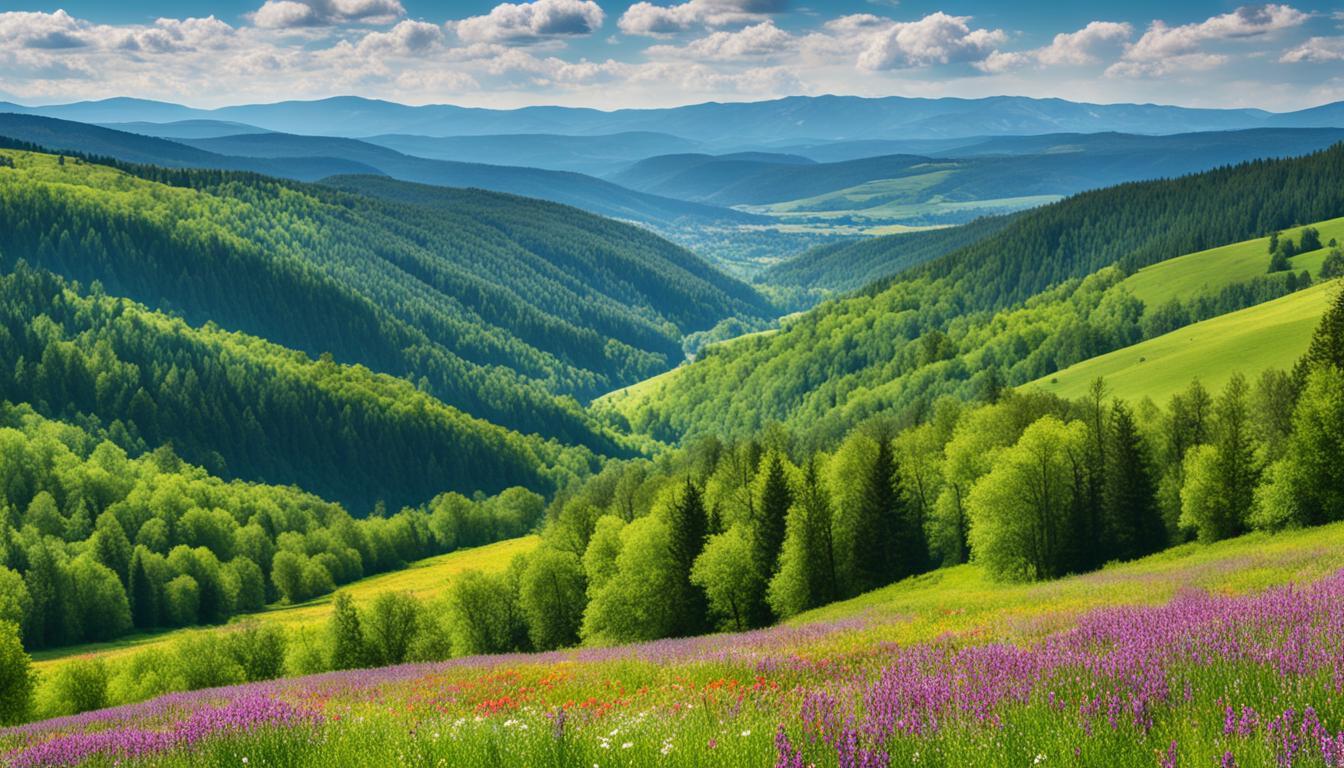
Bulgaria's nature impresses with its diversity and beauty. The country boasts majestic Balkan mountains, picturesque valleys and long shores of the Black Sea. Every year thousands of tourists are attracted to it:
- Unique landscapes - from green hills to snow-capped peaks;
- Fertile fields - ideal conditions for agrarian crops;
- National parks - spaces for active recreation and ecotourism.
Bulgaria's climate is largely conducive to comfortable living and relaxing traveling. Summers are warm and sunny, making the beaches attractive, while winters are mild, allowing you to enjoy winter sports in the mountain resorts. The average annual temperature varies from region to region:
| Region | Summer temperature (°C) | Winter temperature (°C) |
|---|---|---|
| Black Sea coast | 25-30 | 5-10 |
| Mountainous areas | 20-25 | -5-0 |
| Northwest Bulgaria | 26-31 | -2-3 |
Cultural heritage and traditions: the uniqueness of life in Bulgaria
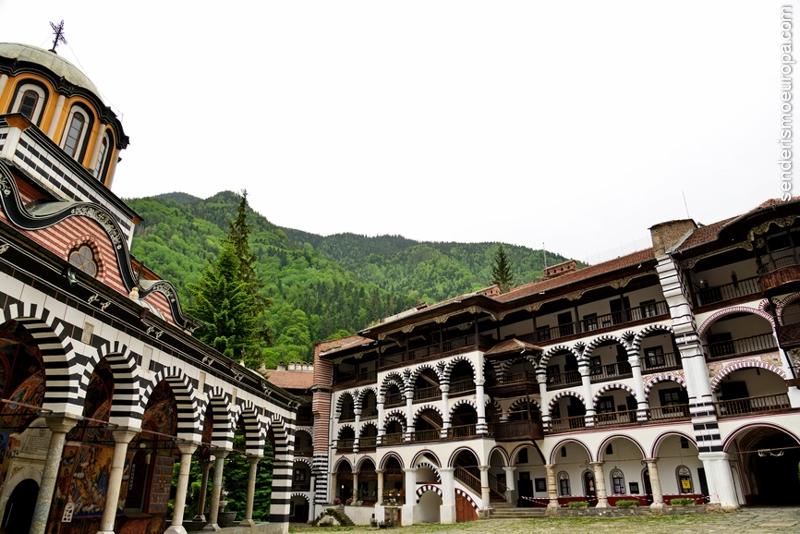
Bulgaria is famous for its cultural heritage, which immerses you in the atmosphere of antiquity and richness of traditions. The locals take pride in the variety of cultural events that take place throughout the year. Listed below are some of the significant traditions:
- Kalinka malinka - folk dances and songs performed at festivals.
- Martenica - A ritual associated with the arrival of spring, when people exchange red and white threads.
- Todorovden - celebrating freedom struggle day and the tradition of horseback riding.
In Bulgaria there is indeed a special connection between the past and the present. The components of cultural heritage include:
| Element | Description |
|---|---|
| Folklore | Songs, legends and tales passed down from generation to generation. |
| Culinary traditions | Inimitable dishes such as banitsa and lozovi sarmi prepared according to ancient recipes. |
| Folk festivals | Annual festivals where locals display their traditional costumes and crafts. |

Economic aspects: cost of living and job opportunities
Living in Bulgaria attracts the attention of many due to its convenient cost of living of life. The basic costs for housing and food are considerably lower than in Western European countries. In major cities such as Sofia and Plovdiv, renting an apartment can range from 300 to 600 euros In smaller towns and resorts, prices can be even lower, making the country attractive to retirees and young families.
As for employment opportunitiesThe labor market in Bulgaria is actively developing despite some challenges. The main areas where there is a high demand for labor include IT, tourism and service. Here are a few key aspects to consider:
- Competition: Opportunities fluctuate across sectors and competition can be high.
- Wages: The average salary in Bulgaria is significantly lower than in Western Europe, but it is compensated by affordable living expenses.
- Language: Proficiency in Bulgarian is an advantage, although outside the major cities English is also welcome.
.jpg)
Advantages and disadvantages of health care in Bulgaria
Health care in Bulgaria has its pros and cons, which are worth considering when evaluating the system. These include main advantages can be attributed to:
- Accessibility of health care services: Most major cities have good clinics and hospitals, making it easier to access the care you need.
- Low prices for medical services: The cost of treatment in private facilities and pharmacies is generally lower than in most European countries.
- Skilled Professionals: Many doctors, especially in large cities, are European or internationally educated.
However, the system is not without its drawbacks. Among them it is worth highlighting:
- Lack of up-to-date equipment: Some public institutions still face a shortage of modern medical equipment.
- Long lines: In the public health care system, you can sometimes encounter long waits to get a doctor's appointment.
- Uneven distribution of resources: In some remote regions, access to quality health services may be limited.
Frequent questions and answers
Q&A: "Bulgaria: the pros and cons of living in a sunny corner"
Question 1: What are the main advantages of living in Bulgaria? Response: Bulgaria offers many advantages, including a wonderful climate with mild winters and warm summers. The country is famous for its picturesque scenery, from the sea to the mountains, and affordable cost of living. The local cuisine is delicious and varied, while traditions and culture make everyday life rich and interesting. In addition, the friendly and hospitable people create a comfortable atmosphere.
Question 2: And what disadvantages might influence the decision to live in Bulgaria? Response: As in any other country, Bulgaria has its disadvantages. These include underdeveloped infrastructure in some areas, which can make it difficult to access modern services. Also the level of salaries in the country is lower than in Western Europe, which can affect the quality of life for some. In addition, the language barrier can be an obstacle for those who do not speak Bulgarian.
Question 3: What does the health care system in Bulgaria look like? Response: The health care system in Bulgaria combines both public and private medical services. Large cities such as Sofia and Varna have good medical facilities, but in remote areas the quality of medical services can leave much to be desired. Private clinics offer high quality services but can be more expensive.
Question 4: How safe is it to live in Bulgaria? Response: Bulgaria is generally considered a safe country to live in. Crime rates are low and locals often help each other. However, as anywhere else, basic precautions are recommended, especially in tourist areas.
Question 5: What are the job opportunities in Bulgaria? Response: Job opportunities in Bulgaria and depend on the sector. The synergy of international companies and startups in recent years has created favorable conditions for employment, especially in the IT and tourism sectors. However, high salaries may require qualifications and language skills.
Question 6: What are the options for citizenship or residency in Bulgaria? Response: Bulgaria offers several ways to obtain citizenship and residency, including an investment program, residence permits for workers and students. The process can take time, but many citizens appreciate the benefits, such as access to the European Union market and the rights associated with it.
Question 7: What is cultural life like in Bulgaria? Response: Cultural life in Bulgaria is bright and diverse. Numerous festivals, concerts and exhibitions are held here every year. Historical monuments, theaters and art galleries all create a unique atmosphere. Bulgarians are proud of their cultural heritage and this brings diversity to everyday life.
Question 8: What advice would you give to those considering a move to Bulgaria? Response: Start by learning the language - it will open doors to new opportunities and make life more comfortable. Try to integrate into the local community, meet people and participate in cultural activities. And don't forget that the most important thing is your attitude and openness to new experiences!
Conclusion
Summarizing our journey of living in Bulgaria, we saw that this sunny corner of Europe is attractive not only for its picturesque scenery and warm climate. It has both pros and cons that should be considered when deciding to move. On the one hand, Bulgaria offers a rich history, friendly people, affordable housing prices and a high quality of life. On the other hand, some aspects, such as language barriers and infrastructure deficiencies, can pose serious challenges for new residents. However, if you are ready to open your heart to new experiences and adapt to your surroundings, Bulgaria may be the perfect place to live. Perhaps here you will find your own corner of happiness, where every day will bring you joy and inspiration. In the end, the choice is always yours. We hope that our article has helped you to better understand what awaits you in this beautiful country. Good luck in your future adventures!