
The Buzludzha Monument, located on a peak of the same name in Bulgaria, is a unique combination of historical significance and architectural folklore. Built in 1981 in honor of the socialist movement in the country, the monument itself is not only a reflection of the political era, but also a striking example of futuristic architectural thought. With its unusual shape and scale, it attracts the attention of both locals and tourists who are eager to learn more about its past and significance. In this article, we will look at the history of the monument, its architectural features and current state, as well as its impact on the cultural landscape of Bulgaria.
Table of Contents
- Historical context of the creation of Buzludzha monument
- Architectural features and unique elements of the structure
- Significance of the monument in the cultural and political history of Bulgaria
- Recommendations on visiting Buzludzha monument for tourists
- Frequent questions and answers
- Conclusion
Historical context of the creation of the Buzludzha monument
The creation of the Buzludzha Monument in Bulgaria is associated with major historical events that took place in the country in the middle of the 20th century. The monument was erected in 1981 to commemorate the 90th anniversary of the founding of the Bulgarian Socialist Party, which emphasized the importance of this date for the new socialist system. The monument also symbolized the greatness of the socialist ideal and the country's aspirations for modernization. In the context of the Cold War, Buzludzha acted as a powerful symbol of communist propaganda, representing the unity and strength of the working class, both in Bulgaria and in Europe as a whole.
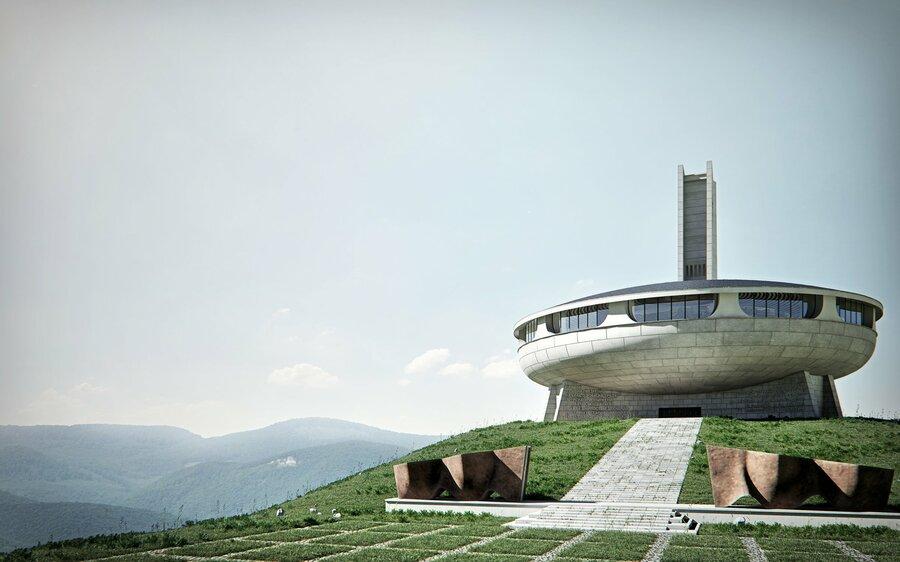
The architectural design of the monument reflects the spirit of the era, and its unusual shape resembles a flying hangar or a spaceship, which was relevant at that time. Utilization concrete и metal materials, combined with a unique design, has created something completely new and evocative. The main features of the -monument include:
- Height: 70 meters
- Shape: multi-cornered structure with circular elements
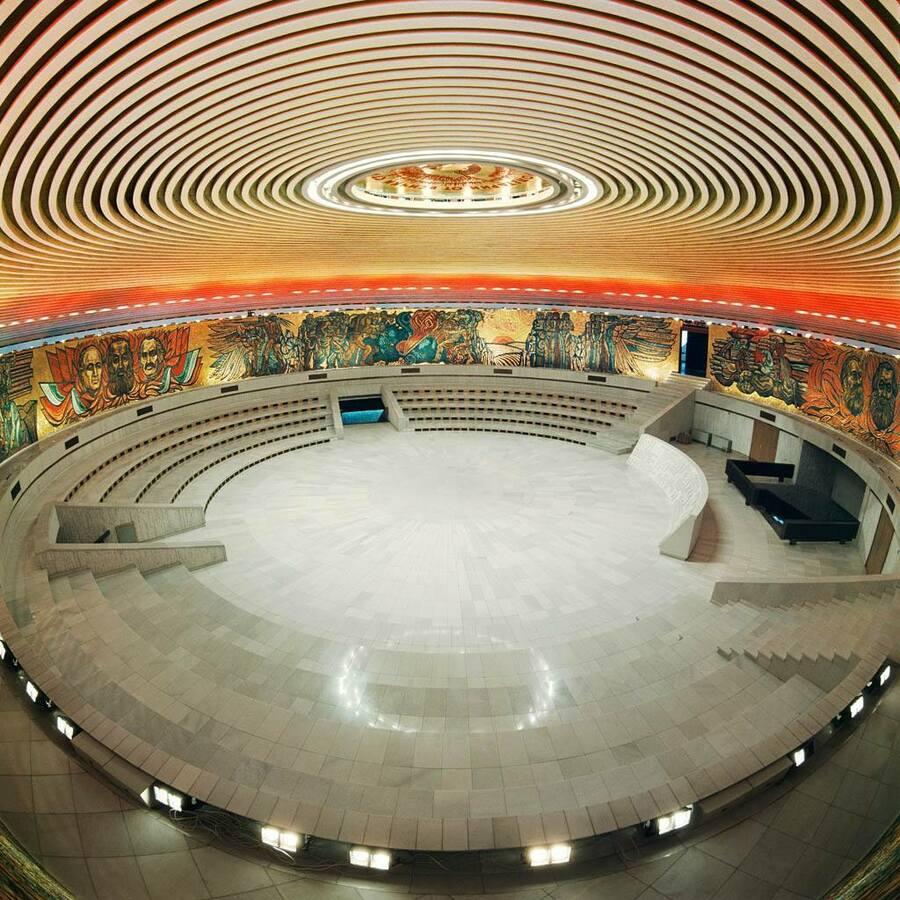
- Artwork: mosaics on the themes of Bulgarian history and socialist labor
Architectural features and unique elements of the structure
The Buzludzha Monument impresses with its unique architectural solutions and bold structural forms. Built in 1981, it has a futuristic look that makes it one of the most discussed buildings in Bulgaria. Its shape resembles a flying saucer, which contrasts with the surrounding natural landscape. Key features include:
- Large volumes - The monumental structure reaches a height of 70 meters.
- Dome - A central element with a circular open space that creates an airy effect.
- Unique mosaic - a decoration of brightly colored tiles representing the symbolism of communist ideology.
Particular attention is drawn to the use of concrete structures and glass inserts that create complex lighting effects inside. The walls of the building are decorated with relief elements depicting important events from the history of Bulgaria. It is important to note that the monument is not only functional, but also serves as a work of art. Many of its design elements represent:
| Element | Description |
|---|---|
| Facade | Presents an interesting layer of different textures and shapes. |
| Interior finish | Mosaic and graphic image compositions. |
| Panoramic windows | Offers spectacular views of the surrounding mountains. |
Significance of the monument in the cultural and political history of Bulgaria
The Buzludzha Monument occupies a significant place in the cultural and political history of Bulgaria, symbolizing important events and ideologies that shaped the country in the 20th century. The structure, built in 1981, was designed to honor Bulgarian socialists and their historical contribution to the liberation movement. Aesthetics of the monumentIts architectural lines and monumental size set it apart from other cultural sites, serving as a visual reminder of the complex and contradictory history of the Bulgarian people. The monument captures the spirit of the era, reflecting the ideals, hopes and struggle for socialism, which makes it an important part not only of the building heritage, but also of the national identity.
In addition, Buzludzha has become a venue for numerous events, gatherings and celebrations, giving it even more importance to the community. Among the key factors are.The main factors determining its impact are:
- Role in strengthening socialist ideology.
- A symbol of unity and the people's struggle for freedom.
- Architectural uniqueness and modern condition that attracts tourists.
Some aspects of his legacy can be summarized in the form of a table:
| Aspect | Description |
|---|---|
| Historical significance | An object symbolizing the socialist movement in Bulgaria. |
| Cultural influence | A place of unification and celebration popular with citizens. |
| Architectural value | Unusual shapes and scale that attract attention and interest. |
Recommendations on visiting Buzludzha monument for tourists
Before traveling, I recommend researching available routes to the monument and its location. It is important to be aware of the road conditions, especially in winter when snow and ice can create difficulties.In addition, if you plan to take photographs, think about time of dayMorning and evening provide the best light for taking pictures. If possible, it is better to visit the monument on weekdays, when there are fewer tourists. don't forget to bring chargers for cameras and smartphones to capture the beauty of this unique place.
Frequent questions and answers
Questions and answers about Buzludzha monument in Bulgaria
What is Buzludzha Monument?
When was the Buzludzha monument built?
What is the architectural concept behind the Buzludzha monument?
How is the Buzludzha monument perceived today?
Are there any plans to restore Buzzluja monument?
Conclusion
The Buzludzha Monument in Bulgaria is not only a symbol of the socialist era, but also an important site of the country's cultural heritage. Its unique architecture and historical significance attract the attention of tourists and researchers, generating interest in discussing the complex history of Bulgaria. Despite its state of abandonment and destruction, the monument continues to serve as a reminder of the past and leaves room for different interpretations and inspiring reflections. The future of Buzludzha may become a topic for new research and initiatives aimed at preserving this unique historical monument.