
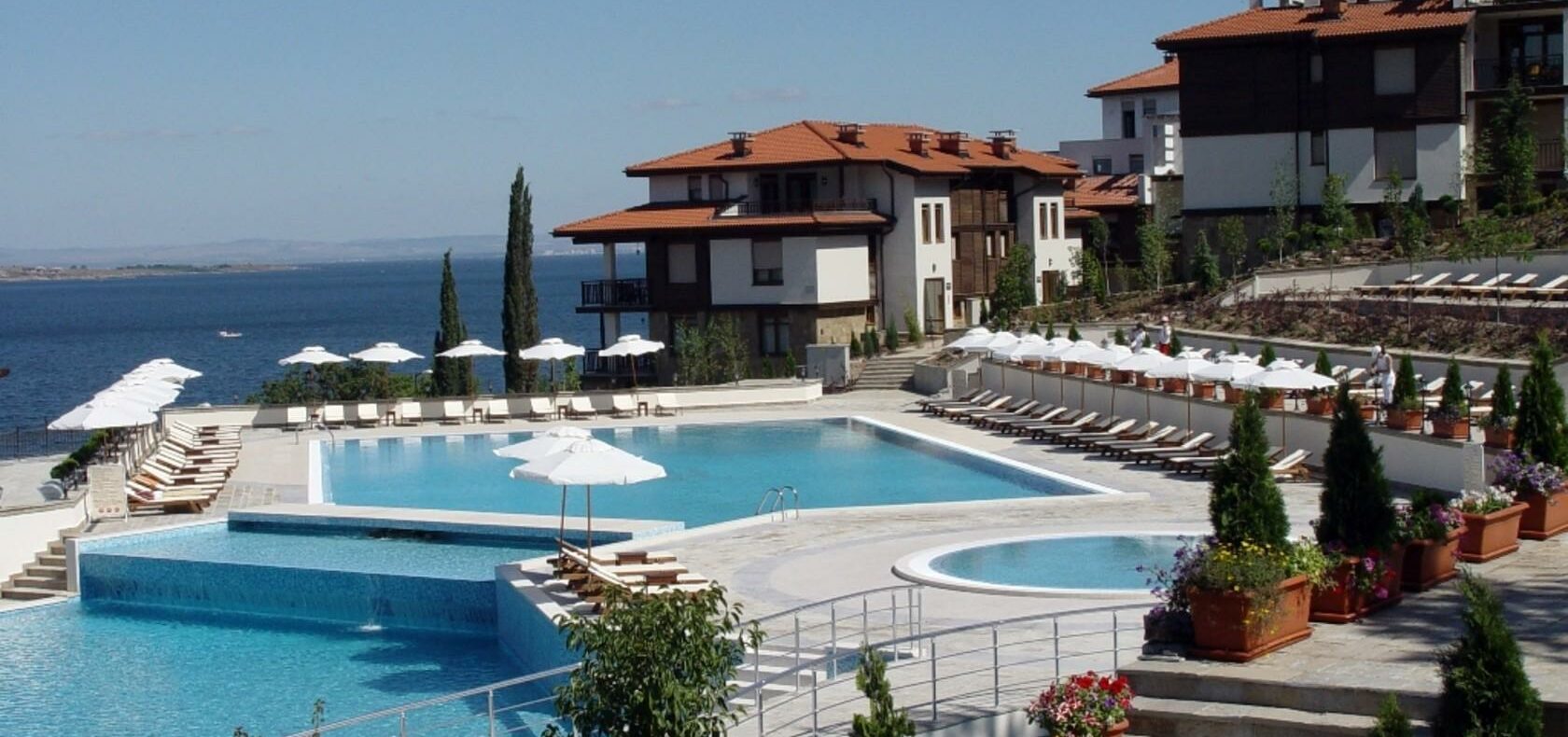
Long-term house rentals in Bulgaria are becoming an increasingly popular choice for those looking for comfortable and affordable long-term accommodation. This country, famous for its picturesque landscapes, rich history and mild climate, attracts locals and foreigners alike. However, before making a final decision to move or rent, it is important to consider a number of factors that can affect the comfort and safety of your stay. In this article, we will look at the key aspects associated with long-term renting in Bulgaria, including legal nuances, choosing the right region, and tips on how to conclude a rental agreement. Understanding these points will help you avoid common mistakes and make your rental as profitable and comfortable as possible.
Table of Contents
- Long-term lease: advantages and disadvantages
- Legal aspects of renting accommodation in Bulgaria
- Selecting a region for a long-term lease
- Tips for executing a lease agreement
- Payment procedure and additional costs
- Recommendations for screening a rental property
- Frequent questions and answers
- Conclusion
Long-term lease: advantages and disadvantages
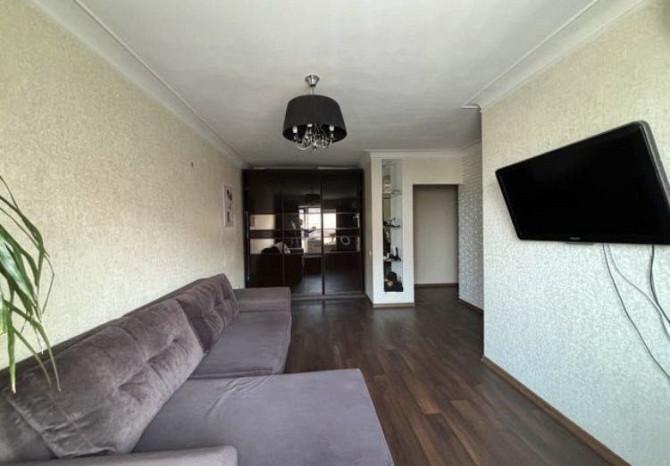
Long-term renting a house in Bulgaria has a number of significant advantages that are worth considering when making a decision. First of all, financial stability. Long-term rents are often fixed, which provides budget certainty. In addition, many landlords are more likely to make concessions in price if the rent is for a long term.Another undeniable advantage is the following opportunity to settle: you get more time to explore the area, assess the infrastructure and choose the most convenient neighborhoods to live in.
<p However, long-term leases have disadvantages as well. First of all, it is necessary to take into account tenant duties: many contracts require certain property maintenance conditions to be met, which can be difficult for some tenants. It is also worth considering flexibilities: Long-term leases can limit your ability to move, which can be a problem if more suitable housing or job offers are found elsewhere.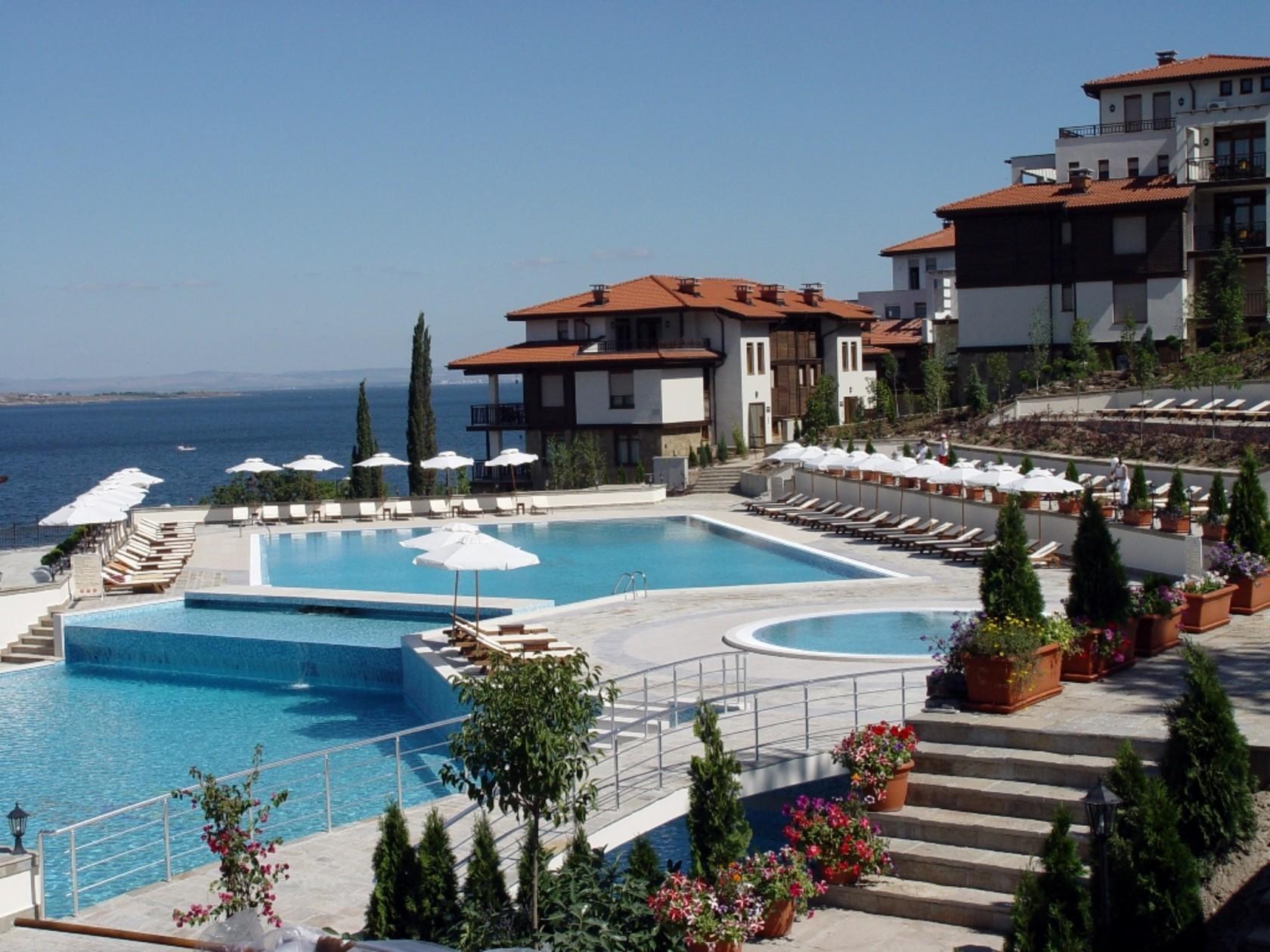
Legal aspects of renting accommodation in Bulgaria
When renting accommodation in Bulgaria, it is important to take into account several legal nuances that can significantly affect your stay in the country. First of all, a necessary element is lease agreementThe lease must be in writing. This agreement must specify all the terms and conditions of the lease, including:
- lease term;
- the amount of rent;
- order of payment;
- responsibilities of the parties;
- terms of termination.
Compliance with local laws and regulations is also an important aspect. Bulgarian law requires that the lease agreement be registered with the tax office, which protects the rights of both the tenant and the landlord. In addition, tenants must be informed of their rights and obligationsamong which are:
- The right to housing that meets the standards;
- obligation to pay rent on time ;
- the right to return the collateral after the end of the contract;
- The obligation to notify the landlord of any necessary repairs.
Selecting a region for a long-term lease
When choosing a region for a long-term house rental in Bulgaria, it is important to consider several key factors that can significantly affect your comfort and convenience. The first thing you should pay attention to is the following infrastructure. Convenient access to shopping, medical facilities, educational institutions and public transportation will help you feel more comfortable in your new location. Also consider environmental situation - The presence of green areas and proximity to water can make your life in Bulgaria more pleasant.
Equally important is regional climate. Bulgaria is famous for its varied climate, and the choice of location should match your preferences. If you prefer a warm sea, it is worth paying attention to the Black Sea coast, for example, such cities as Sunny Beach or Nessebar. For mountain vacationers, the areas around the . Borovets or Pamporovo. Note also community and level security in the region - having friends and supportive neighbors plays an important role in your overall comfort.
Tips for executing a lease agreement
When executing a lease, it is important to consider a few key aspects to help protect your interests. First of all, Include a full description of the property in the contractThis will be the basis of your agreement and will help you avoid misunderstandings. This will form the basis of your agreement and will help avoid misunderstandings. It is also a good idea to include lease term - how long you plan to rent for and determine if it can be renewed.
It is equally important to clearly spell out payment and deposit terms. Make sure that the contract reflects the amount of rent, payment terms, as well as the terms of return of the deposit. It is also recommended to include a clause on possible penalties for breach of contract to minimize risks. As an additional protection measure, you can create key terms table of the treaty:
| item | Description |
|---|---|
| Lease term | 12 months renewable |
| Rent | 500 euros a month |
| Deposit | 1000 euros, refundable at the end of the lease |
| Penalties | Increase in rent in case of breach of conditions |
Payment procedure and additional costs
When renting a house in Bulgaria, it is important to understand the payment procedure, which can vary depending on the specific offer. Usually, tenants have to pay prepayment between 20% and 30% of the total rent immediately after signing the contract. The remaining amount is often paid a few days prior to arrival. It is important to note that some landlords may request an escrow, which is refundable at the end of the rental if there is no damage.
In addition to basic rent, renters should consider additional expenses that may be incurred in the process. These costs may include:
- Utilities: electricity, water, gas and internet.
- Maintenance and repair: sometimes a small service fee is required for maintenance services.
- Household supplies: toilet paper, hygiene products and small supplies of food.
It is also a good idea to discuss in advance the possibility of additional paid services such as cleaning, gardening or even a chef. This will help you avoid unexpected costs and make your stay more comfortable.
Recommendations for inspection of the leased property
Before you sign a lease, it is important to inspect the property thoroughly. Start by checking the condition of the house: pay attention to ceilings, walls, и floors. Look for signs of dampness, cracks, and other defects that may indicate open problems. Also ask about the condition of the heating and air conditioning systems, qualities wiring и water supplies. These details can make a big difference in your comfort during your stay.
An equally important step is to familiarize yourself with the surrounding infrastructure. Pay attention to the presence of nearby facilities such as:
- Stores and supermarkets - convenient access to food and basic commodities.
- Public transportation - the ability to easily commute to work or school.
- Medical facilities - Availability of nearby hospitals and clinics for emergencies.
- Parks and recreation areas - an important component for a comfortable life with children or pets.
Frequent questions and answers
Questions and answers about long term renting a house in Bulgaria
Question 1: What are the advantages of renting a house in Bulgaria for a long term? Response: Long-term renting a house in Bulgaria offers several advantages such as residential stability, the ability to personalize the space to your needs and lower costs compared to short-term rentals. In addition, having a long-term rental agreement can provide additional rights for tenants.
Question 2: How do I find the right rental? Response: To find a suitable house for long-term rent, it is recommended to use specialized websites, local real estate agencies or listings on online platforms. It is also important to consider the neighborhoods you are interested in and compare prices in different places.
Question 3: What documents are required to enter into a lease agreement? Response: You will need a passport or other identification document to sign a rental agreement, and you may also need a certificate of income or a surety. You should also prepare a deposit, which is usually equal to one month's rent.
Question 4: Are there mandatory conditions for tenants in Bulgaria? Response: Yes, tenants must abide by the terms of the agreement, including paying rent on time and keeping the house in good repair. Additionally, some landlords may have rules about pets or no smoking.
Question 5: What does the contracting process look like? Response: The process involves finding suitable accommodation, discussing the terms of the lease with the landlord, signing a contract and paying a deposit. It is advisable to read the contract carefully and consult a lawyer if necessary.
Question 6: How can I avoid rental scams? Response: To avoid fraud, you should never send money before signing a contract and check the legitimacy of the tenant or agency. It is recommended to meet in person and inspect the property.
Question 7: What additional costs can tenants expect to incur? Response: Tenants may face additional costs such as utilities (water, electricity, gas), internet and television, and possible maintenance or repair fees.
Question 8: What should I do in case of disputes with my landlord? Response: In case of disputes with the landlord, it is recommended that you first try to resolve the issue amicably by communicating directly with the landlord. If this does not work, you can contact the local consumer protection authorities or consult a lawyer.
Question 9: What neighborhoods are popular for long-term rentals? Response: The most popular areas for long-term rentals in Bulgaria include Sofia, Varna, Burgas and Plovdiv, but the choice depends on your preferences and needs.
Question 10: How do I legally terminate a lease? Response: In order to legally terminate a lease, you must read the terms and conditions set out in the lease itself. Usually, 30 days' notice is required and the property must be returned to the landlord in the same condition in which it was received.
Conclusion
Long-term renting a house in Bulgaria can be a great option for those who are looking for tranquility, comfort and the opportunity to enjoy the rich culture of this country. Before making a decision, it is important to consider all aspects - from choosing the right region to researching rental terms and legal nuances. By preparing in advance and gathering the necessary information, you can make the rental process as comfortable and profitable as possible. Don't forget that a long-term lease is not only a financial commitment, but also the creation of a new home away from home, so you should pay attention to every step. We wish you good luck in your search for the perfect home in beautiful Bulgaria!